


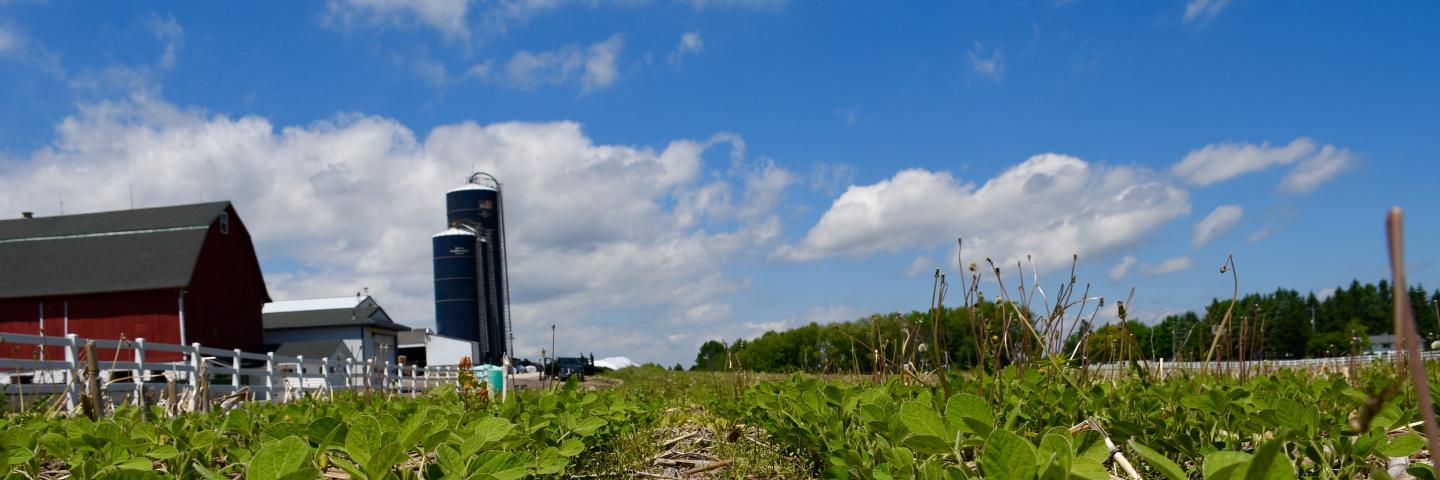
Regional Conservation Partnership Program (RCPP) is a partner-driven program that leverages partner resources to advance innovative projects that enhance water quality and address other critical challenges on agricultural land.
Illinois RCPP Projects:
- Lake Decatur Water Quality Initiative - City of Decatur IL
- Improving Oak Ecosystems Health in the Great Lakes Region - American Bird Conservancy (ABC)
- Unlocking Societal and Environmental Benefits in the Kankakee Watershed by Expanding Conservation Efforts - Indiana State Department of Agriculture
Lake Decatur Water Quality Initiative
Project Description:
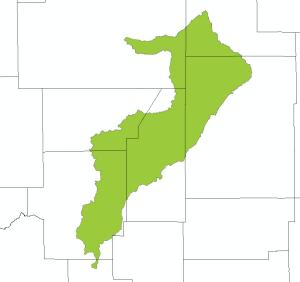
This RCPP project is utilizing land management practices and rental payments to reduce sediment, improve water quality and increase wildlife habitat in Lake Decatur and its watershed. Land management practices available to farmers/landowners in the project watershed are Cover Crop, Field Border, Filter Strip, Nutrient Management, Grassed Waterway, etc.
Application Deadline:
February 26, 2027
NRCS accepts applications for its conservation programs year-round and funding is provided through a competitive process. Apply for RCPP by completing a NRCS-CPA-1200 application.
Project ID:
2724
Project Duration:
5 years (2023-2028)
Applicable Counties:
Portions of Champaign, De Witt, Ford, Macon, McLean, Piatt, and Shelby.
Practice List:
Cost List:
- Payment Schedules website
- Select cost list name = Illinois RCPP18 2724-1
Contract Types:
- Land Management and Rental
Land Uses:
- Crop
Resource Concerns:
- Field Sediment, Nutrient, and Pathogen loss
- Terrestrial Habitat
- Long Term Protection of Land
Lead Partner:
City of Decatur IL
Improving Oak Ecosystems Health in the Great Lakes Region
Project Description:
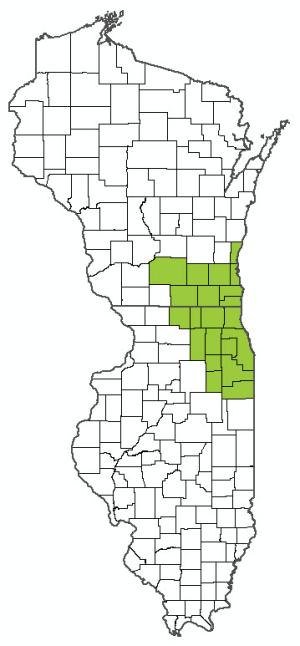
This RCPP project is utilizing land management practices to restore, enhance and protect oak ecosystems. Land management practices available to farmers/landowners in the project area are: Forest Stand Improvement, Structures for Wildlife, Tree/Shrub Establishment etc.
Application Deadline:
February 26, 2027 (Illinois deadline)
NRCS accepts applications for its conservation programs year-round and funding is provided through a competitive process. Apply for RCPP by completing a NRCS-CPA-1200 application.
Project ID:
2727
Project Duration:
5 years (2023-2028)
Applicable Counties:
Illinois - Boone, Cook, DeKalb, DuPage, Grundy, Kane, Kendall, Kankakee, Lake, McHenry, Will, and Winnebago.
Wisconsin - Dane, Jefferson, Kenosha, Milwaukee, Ozaukee, Racine, Rock, Walworth, and Waukesha.
Practice List:
Cost List:
- Payment Schedules website
- Select cost list name = Illinois RCPP18 2727 2734 -1
Contract Types:
- Land Management
- Entity Held Easements
Land Uses:
- Crop
- Forest
- Pasture
- Associated Agricultural Land
- Farmstead
- Other Rural Land
Resource Concerns:
- Degraded Plant Condition
- Field Sediment, Nutrient and Pathogen Loss
- Fire Management
- Long Term Protection of Land
- Soil Quality Limitations
- Source Water Depletion
- Storage and Handling of Pollutants
- Terrestrial Habitat
- Weather Resilience
- Wind and Water Erosion
Lead Partner:
American Bird Conservancy (ABC)
Unlocking Societal and Environmental Benefits in the Kankakee Watershed by Expanding Conservation Efforts

Project Description:
The primary goal of this multi-state initiative is to address excess water as a resource concern by developing working lands type conservation practices and voluntarily establishing wetland easements. These conservation efforts facilitate water storage, build community involvement, and improve water quality within the initiative focal region. The key conservation practices are drainage water management, soil health and nutrient management practices and wetland restoration.
Application Deadline:
February 26, 2027 (Illinois deadline)
NRCS accepts applications for its conservation programs year-round and funding is provided through a competitive process. Apply for RCPP by completing a NRCS-CPA-1200 application.
Project ID:
2734
Project Duration:
5 years (2022-2027)
Applicable Counties:
Illinois - Portions of Ford, Grundy, Iroquois, Kankakee, Will, and Vermilion.
Indiana - Portions of Elkhart, Jasper, Kosciusko, Lake, LaPorte, Marshall, Newton, Porter, Pulaski, St. Joseph, and Starke.
Practice List:
Cost List:
- Payment Schedules website
- Select cost list name = Illinois RCPP18 2727 2734-1
Contract Types:
- Land Management
- US Held Easements
Land Uses:
- Crop
- Pasture
- Associated Agricultural Land
- Farmstead
- Forest
- Water
Resource Concerns:
- Storage and Handling of Pollutants
- Aquatic Habitat
- Field Sediment, Nutrient, and Pathogen Loss
- Long Term Protection of Land
- Terresterial Habitat
- Weather Resilience
Lead Partner:
Indiana State Department of Agriculture
Ready to get started?
Contact your local service center to start your application.
How to Get Assistance
Do you farm or ranch and want to make improvements to the land that you own or lease?
Natural Resources Conservation Service offers technical and financial assistance to help farmers, ranchers and forest landowners.
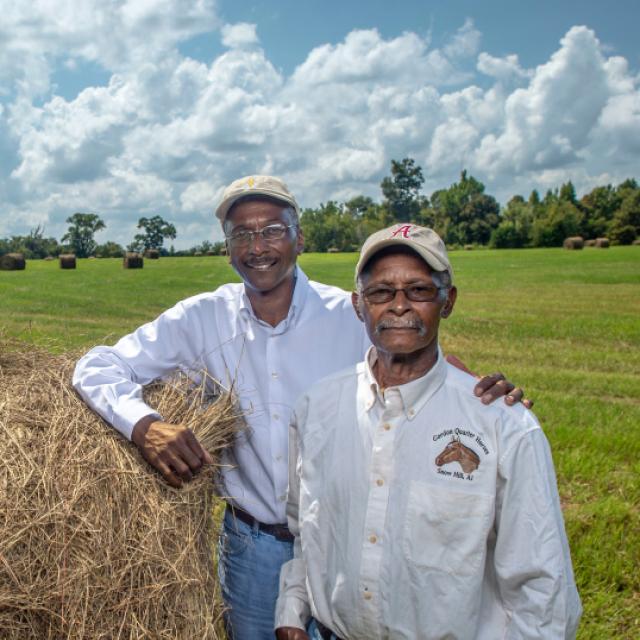
To get started with NRCS, we recommend you stop by your local NRCS field office. We’ll discuss your vision for your land.
NRCS provides landowners with free technical assistance, or advice, for their land. Common technical assistance includes: resource assessment, practice design and resource monitoring. Your conservation planner will help you determine if financial assistance is right for you.
We’ll walk you through the application process. To get started on applying for financial assistance, we’ll work with you:
- To fill out an AD 1026, which ensures a conservation plan is in place before lands with highly erodible soils are farmed. It also ensures that identified wetland areas are protected.
- To meet other eligibility certifications.
Once complete, we’ll work with you on the application, or CPA 1200.
Applications for most programs are accepted on a continuous basis, but they’re considered for funding in different ranking periods. Be sure to ask your local NRCS district conservationist about the deadline for the ranking period to ensure you turn in your application in time.
As part of the application process, we’ll check to see if you are eligible. To do this, you’ll need to bring:
- An official tax ID (Social Security number or an employer ID)
- A property deed or lease agreement to show you have control of the property; and
- A farm number.
If you don’t have a farm number, you can get one from USDA’s Farm Service Agency. Typically, the local FSA office is located in the same building as the local NRCS office. You only need a farm number if you’re interested in financial assistance.
NRCS will take a look at the applications and rank them according to local resource concerns, the amount of conservation benefits the work will provide and the needs of applicants. View Application Ranking Dates by State.
If you’re selected, you can choose whether to sign the contract for the work to be done.
Once you sign the contract, you’ll be provided standards and specifications for completing the practice or practices, and then you will have a specified amount of time to implement. Once the work is implemented and inspected, you’ll be paid the rate of compensation for the work if it meets NRCS standards and specifications.