


CSP is the largest conservation program in the United States. It helps producers build on their existing conservation efforts while strengthening their operation. The program offers annual payments over five years, plus payments to implement additional conservation activities.

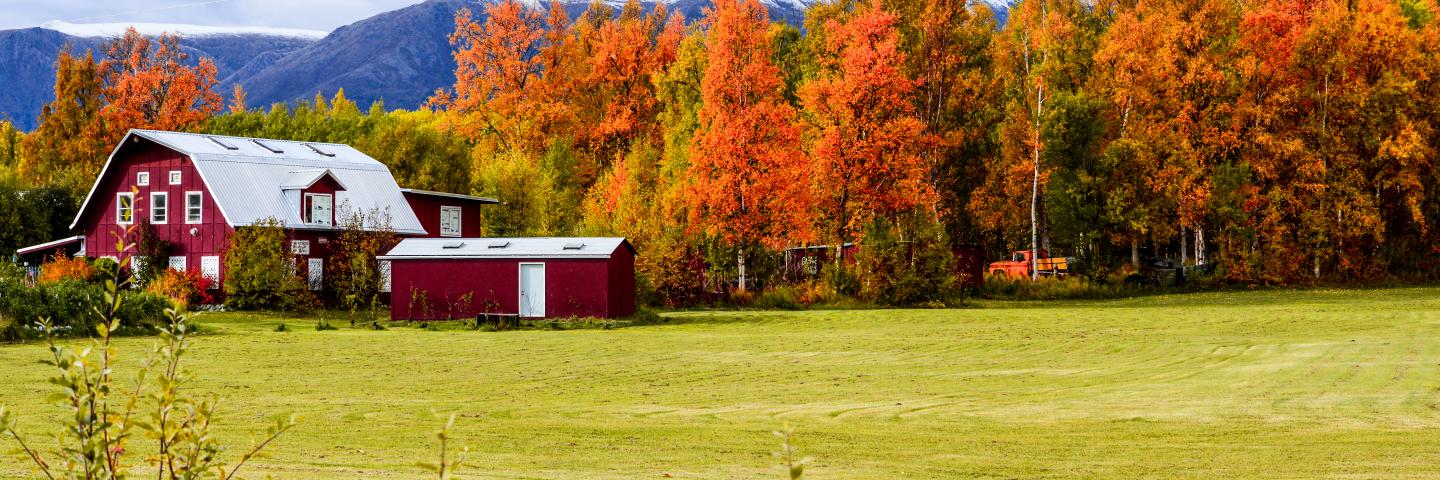
Conservation at The Rustic Peony in Ninilchik, Alaska
Through the Conservation Stewardship Program (CSP), peony growers performed plant tissue testing to refine nutrient applications and installed a weather station on the farm.
The Conservation Stewardship Program (CSP) offers technical and financial assistance to help agricultural and forest producers take their conservation efforts to the next level. The program is designed to compensate agricultural and forest producers who agree to increase their level of conservation by adopt ing additional conservation activities and maintaining their baseline level of conservation. CSP is for producers who are passionate about conservation and environmental stewardship.
CSP may provide many benefits, including increased crop productivity, decreased inputs, wildlife habitat improvements and increased resilience to weather extremes. CSP also encourages adoption of new tech nologies and management techniques.
For example, CSP can help you:
- Schedule timely planting and management of cover crops
- Develop a grazing plan that will improve your forage base
- Implement no-till to reduce erosion or manage forested areas in a way that benefits wildlife habitat
If you are already taking steps to improve the condition of the land, chances are CSP can help you find new ways to meet your goals.
Applicants must meet three tiers of eligibility for the Conservation Stewardship Program (CSP):
Producer Eligibility
- Eligible producers include farmers, ranchers, owners of non-industrial private forestland, Tribes, and Alaska Native village and regional corporations.
- Must have a social security number or employer identification number issued by the IRS (entities require a Taxpayer Identification Number).
- Must show control of the land (lease, deed or other agreement) for the length of the NRCS contract (five years).
- Must have an adjusted gross income of less than $900,000; however this requirement does not apply to Federally recognized Tribes and Alaska Native regional or village corporations.
- If the producer is an entity, must have signature authority to make management decisions on the land.
Land Eligibility
- Land must have an agricultural production use such as cropland, hayland, rangeland, pastureland, grassland, non-industrial private forest land, other farm or ranch lands, and environmentally sensitive areas. Lands managed for subsistence are also considered agricultural. CSP enrolls the entire operation including farmsteads and associated agricultural lands.
- Land must be in compliance with Highly Erodible Land and wetland compliance provisions. Your local USDA office can help you navigate compliance.
Stewardship Threshold Eligibility
- Stewardship threshold is a term NRCS uses to determine if a CSP applicant is currently meeting or exceeding an adequate level of conservation criteria for a particular natural resource concern. CSP applicants must currently be meeting the stewardship threshold for at least two priority natural resource concerns on every land use included in the operation. They must also agree to meet or exceed the stewardship threshold for at least one additional resource concern by the end of the contract on at least one land use. Don’t worry if you are unsure of your threshold because an NRCS Conservation Planner will assist you.
USDA Farm Record
Additionally, CSP applicants must have an established USDA Farm Record with the Farm Service Agency.
CSP application packages must include a valid USDA Farm Record. A Farm Record is an official profile that registers a grower and their agricultural land in the USDA database, assigning the operation unique farm, tract, and field numbers. It serves as the baseline data file required to apply for federal farm loans, disaster relief, crop insurance, and conservation programs. Farm Records are established or updated with the USDA Farm Service Agency.
Contact your local USDA Service Center to establish or update your Farm Record.
Contact your local NRCS Field Office to express your interest in CSP and schedule a site visit with an NRCS Conservation Planner to start developing your Conservation Plan if you don't already have one. NRCS will help guide you through the process.
Fill out the Conservation Program Application (form NRCS-CPA-1200) and submit it to your local NRCS office. All applicants will need to have a Farm Record established with the USDA Farm Service Agency in order to move forward.
CSP applications also must include a map of all agricultural or private forest land in your operation that you will have control of for the 5-year term of the CSP contract, and identification of any ineligible land.
NRCS accepts applications for CSP year-round. NRCS establishes "application batching deadlines" each year, when all applications received up until that date are ranked and prioritized for funding.
Eligible lands will be identified and the number of resource concerns that are currently meeting CSP stewardship thresholds will be determined. Each applicant must meet the stewardship threshold for at least two resource concerns on each land use at the time of application. The applicant must also agree to address one additional resource concern for each land use by the end of the contract to be eligible. The NRCS conservation planner will present a variety of CSP conservation activities for you to consider implementing on your land, based on the resource stewardship thresholds you would like to meet or exceed.
NRCS Alaska utilizes a screening tool to manage workload and identify projects that will provide the most environmental benefits. Applications screened low will not be ranked. The local Field Office collects information about the applicants’ agricultural operations through existing information, on-site visits, and/or personal communications and works with the applicant to develop a Conservation Plan. The information collected is used to rank all eligible applications which results in a numerical score. Applications for conservation practices and systems that will result in greater environmental benefits for national, state, and/or local natural resource priorities will receive a higher score and higher priority to receive an offer for a financial assistance contract.
Once NRCS completes an assessment of your operation and you choose the conservation activities you will implement, NRCS will rank your application to determine how well your current and future management system will address state and local natural resource priorities. NRCS will rank your application against other eligible applications that have similar resource challenges in the same local ranking pool, with the highest scoring applications receiving contract offers first.
If your application is funded, NRCS will offer you a CSP contract to receive financial assistance. A CSP contract is a legally binding agreement and the participants’ responsibilities are considerable. The best place to learn about these responsibilities is to thoroughly review the NRCS-CPS-1200 Application with Appendix which set forth the terms and conditions of the contract.
Payments you may receive depend on the conservation practices you implement and the state you are in. Each year, NRCS re-evaluates the amount of financial assistance available for each activity in each state. These evaluations consider the current costs for material and labor within the state and also the fair marketplace compensation for opportunity costs that may arise (e.g. conversion of productive land). If necessary, the amount of financial assistance is adjusted to keep pace with actual costs.
View the latest payment schedules at: https://www.nrcs.usda.gov/getting-assistance/payment-schedules
NRCS does not issue a payment until you have completed the conservation practice and the practice has been certified by NRCS. Certification ensures that the practice meets NRCS conservation practice standards. Payments are issued via Direct Deposit following practice certification.
Advance Payments are an option if a producer qualifies as Historically Underserved. More information on Advance Payments is available at: https://www.nrcs.usda.gov/resources/guides-and-instructions/eqip-advance-payment-option
The CSP annual payments vary based on the land uses within your contract. Most participants will be eligible for a $4,000 minimum payment during any year that their total annual contract payment falls below the minimum payment amount.
Alaska CSP Funding Priorities
Alaska NRCS with the guidance of the State Technical Committee has established the following funding priorities for FY2027 specific to CSP:
- Regenerative Pilot Program
- Beginning Farmer - Applicants that self-certify as beginning farmer on the NRCS-CPA-1200 application
- Socially Disadvantaged - Applicants that self-certify as socially disadvantaged on the NRCS-CPA-1200 application
Alaska Resource Priorities
- Increasing fresh water fish habitat and populations
- Protection and enhancement of traditionally and culturally used resources
- Forestland health and wildfire hazard reduction
- Soil health
Ready to get started?
Contact your local service center to start your application.
How to Get Assistance
Do you farm or ranch and want to make improvements to the land that you own or lease?
Natural Resources Conservation Service offers technical and financial assistance to help farmers, ranchers and forest landowners.
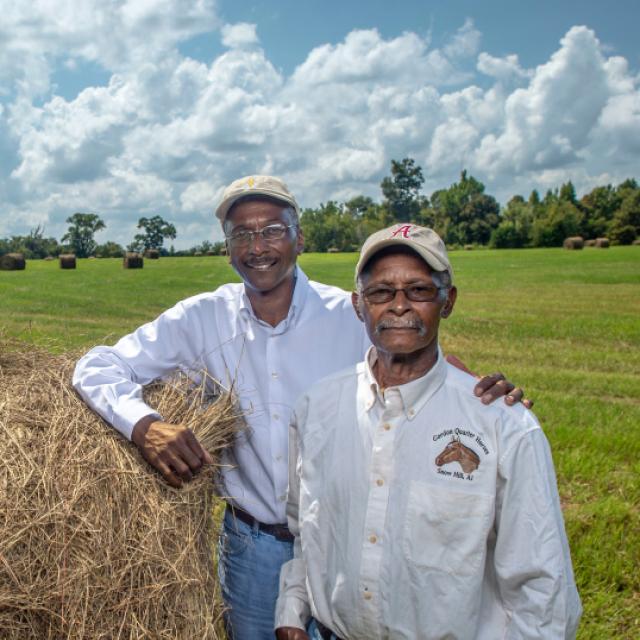
To get started with NRCS, we recommend you stop by your local NRCS field office. We’ll discuss your vision for your land.
NRCS provides landowners with free technical assistance, or advice, for their land. Common technical assistance includes: resource assessment, practice design and resource monitoring. Your conservation planner will help you determine if financial assistance is right for you.
We’ll walk you through the application process. To get started on applying for financial assistance, we’ll work with you:
- To fill out an AD 1026, which ensures a conservation plan is in place before lands with highly erodible soils are farmed. It also ensures that identified wetland areas are protected.
- To meet other eligibility certifications.
Once complete, we’ll work with you on the application, or CPA 1200.
Applications for most programs are accepted on a continuous basis, but they’re considered for funding in different ranking periods. Be sure to ask your local NRCS district conservationist about the deadline for the ranking period to ensure you turn in your application in time.
As part of the application process, we’ll check to see if you are eligible. To do this, you’ll need to bring:
- An official tax ID (Social Security number or an employer ID)
- A property deed or lease agreement to show you have control of the property; and
- A farm number.
If you don’t have a farm number, you can get one from USDA’s Farm Service Agency. Typically, the local FSA office is located in the same building as the local NRCS office. You only need a farm number if you’re interested in financial assistance.
NRCS will take a look at the applications and rank them according to local resource concerns, the amount of conservation benefits the work will provide and the needs of applicants. View Application Ranking Dates by State.
If you’re selected, you can choose whether to sign the contract for the work to be done.
Once you sign the contract, you’ll be provided standards and specifications for completing the practice or practices, and then you will have a specified amount of time to implement. Once the work is implemented and inspected, you’ll be paid the rate of compensation for the work if it meets NRCS standards and specifications.