


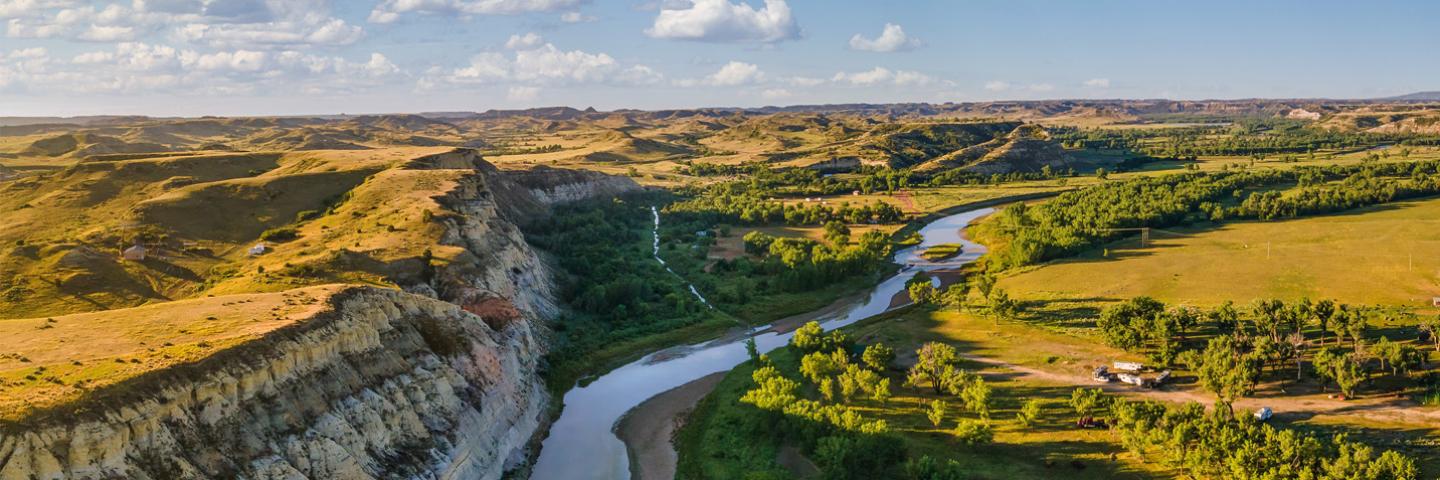

NRCS North Dakota partners with producers to deliver financial and technical conservation assistance, strengthening land stewardship and driving lasting natural resource benefits across the state.
On This Page
NRCS Services in North Dakota
Programs-ND

Programs-ND
NRCS offers voluntary programs to eligible landowners and agricultural producers to provide financial and technical assistance to help manage natural resources in a sustainable manner. Through these programs the agency approves contracts to provide financial assistance for conservation practices.
Partner With Us in North Dakota

Partner With Us in North Dakota
NRCS North Dakota thrives through strong partnerships, collaborating with farmers, ranchers, Tribal Nations, conservation districts, government agencies, Earth Team volunteers, schools, and local communities.
Soils and Soil Health-ND

Soils and Soil Health-ND
The Natural Resources Conservation Service (NRCS), in cooperation with its partners, has the leadership role for conducting soil surveys on private lands across the country.
Engineering-ND

Engineering-ND
North Dakota engineering staff provide a blend of structural and biological measure to solve resource concerns related to soil erosion, water quality, agricultural waste management and wetland restoration while meeting the land use objectives.
Technical Resources and Land Use-ND

Technical Resources and Land Use-ND
NRCS North Dakota uses science-based technology and economic analysis to provide conservation planning and assistance to landowners and producers.
Ecological Sciences-ND

Ecological Sciences-ND
The Ecological Sciences Division (ESD) leads the technology for Natural Resources Conservation Service (NRCS) in ecological, cultural resource, and environmental compliance technologies to ensure science-based conservation for our Nation's resources.
Conservation Compliance-ND

Conservation Compliance-ND
The Natural Resources Conservation Service (NRCS) is responsible for providing program participants technical assistance and determinations to assist them in complying with the provisions.
Urban and Small-Scale Ag-ND

Urban and Small-Scale Ag-ND
NRCS can help provide valuable resources to small-scale and urban farmers in North Dakota. Whether it be compost, irrigation or weed and pest management we have something to help you get started.
North Dakota State Office
Quick Links
News, Notices and Fact Sheets

News, Notices and Fact Sheets
Stay informed with North Dakota’s latest press releases and success stories from the field.
To sign up for updates or to access your subscriber preferences click HERE.
NRCS ND Accomplishment Reports
Education and Resource Topics

Education and Resource Topics
Access clear, practical conservation information for producers—along with educational materials for teachers and students.
Partnerships and Outreach

Partnerships and Outreach
Explore NRCS North Dakota’s formal partnerships, engagement with Tribal Nations, statewide outreach activities, and avenues for career and volunteer involvement.
State Programs and Initiatives
NRCS offers voluntary programs to eligible landowners and agricultural producers to provide financial and technical assistance to help manage natural resources in a sustainable manner.
Through these programs the agency approves contracts to provide financial assistance to help plan and implement conservation practices that address natural resource concerns or opportunities to help save energy, improve soil, water, plant, air, animal and related resources on agricultural lands and non-industrial private forest land.
Through these programs the agency approves contracts to provide financial assistance to help plan and implement conservation practices that address natural resource concerns or opportunities to help save energy, improve soil, water, plant, air, animal and related resources on agricultural lands and non-industrial private forest land.





State Payment Schedule
NRCS provides financial assistance for selected conservation practices. The availability and amount of financial assistance can vary between states.

State Technical Committee
State Technical Committees serve in an advisory capacity to the Natural Resources Conservation Service (NRCS) and other agencies of the U.S. Department of Agriculture (USDA) on the implementation of the natural resources conservation provisions of Farm Bill legislation.
How to Get Assistance
Do you farm or ranch and want to make improvements to the land that you own or lease?
Natural Resources Conservation Service offers technical and financial assistance to help farmers, ranchers and forest landowners.
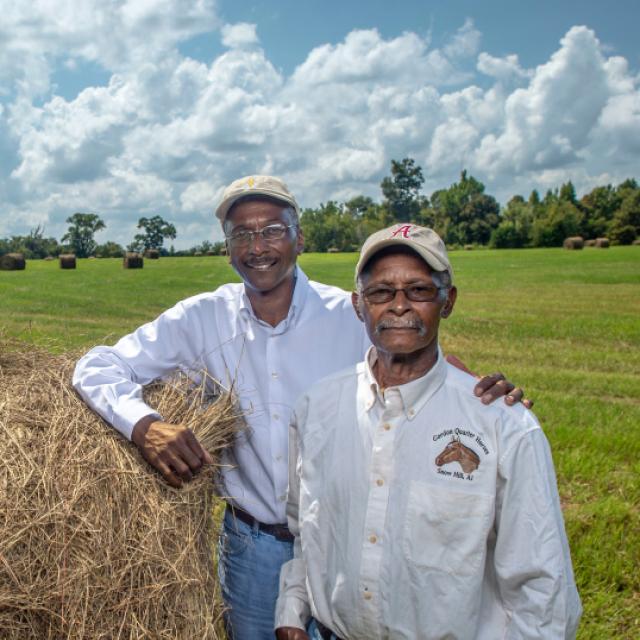
To get started with NRCS, we recommend you stop by your local NRCS field office. We’ll discuss your vision for your land.
NRCS provides landowners with free technical assistance, or advice, for their land. Common technical assistance includes: resource assessment, practice design and resource monitoring. Your conservation planner will help you determine if financial assistance is right for you.
We’ll walk you through the application process. To get started on applying for financial assistance, we’ll work with you:
- To fill out an AD 1026, which ensures a conservation plan is in place before lands with highly erodible soils are farmed. It also ensures that identified wetland areas are protected.
- To meet other eligibility certifications.
Once complete, we’ll work with you on the application, or CPA 1200.
Applications for most programs are accepted on a continuous basis, but they’re considered for funding in different ranking periods. Be sure to ask your local NRCS district conservationist about the deadline for the ranking period to ensure you turn in your application in time.
As part of the application process, we’ll check to see if you are eligible. To do this, you’ll need to bring:
- An official tax ID (Social Security number or an employer ID)
- A property deed or lease agreement to show you have control of the property; and
- A farm number.
If you don’t have a farm number, you can get one from USDA’s Farm Service Agency. Typically, the local FSA office is located in the same building as the local NRCS office. You only need a farm number if you’re interested in financial assistance.
NRCS will take a look at the applications and rank them according to local resource concerns, the amount of conservation benefits the work will provide and the needs of applicants. View Application Ranking Dates by State.
If you’re selected, you can choose whether to sign the contract for the work to be done.
Once you sign the contract, you’ll be provided standards and specifications for completing the practice or practices, and then you will have a specified amount of time to implement. Once the work is implemented and inspected, you’ll be paid the rate of compensation for the work if it meets NRCS standards and specifications.


