


The three phases of the nine-step conservation planning process...

1. Identify Problems and Opportunities. Initial opportunities and problems are first identified while working with the customer.
2. Determine Objectives. The customer identifies their objectives, while the planner guides the process to include the customer’s needs and values, resource uses, and onsite and offsite ecological protection.
3. Inventory Resources. Natural resource, economic, and social information for the planning area is collected to further define problems and opportunities, develop alternatives, and evaluate the plan.
4. Analyze Resource Data. The planner studies the resource data and defines the existing conditions for all identified natural resources, including limitations and potentials for desired use.
5. Formulate Alternatives. Alternatives are formulated that achieve the customer’s objectives, solve identified resource concerns, and take advantage of opportunities to improve or protect resource conditions.
6. Evaluate Alternatives. Alternatives are evaluated to determine their effectiveness in addressing the customer’s problems, opportunities, and objectives.
7. Make Decisions. The customer selects their preferred alternatives and works with the planner on practice implementation.
8. Implement the Plan. The customer implements the selected alternatives. The planner provides the land manager with detailed practice implementation information.
9. Evaluate the Plan. The planner evaluates the effectiveness of the plan in solving the resource concerns and works with the customer to make adjustments as needed.
Nine-Step Conservation Process
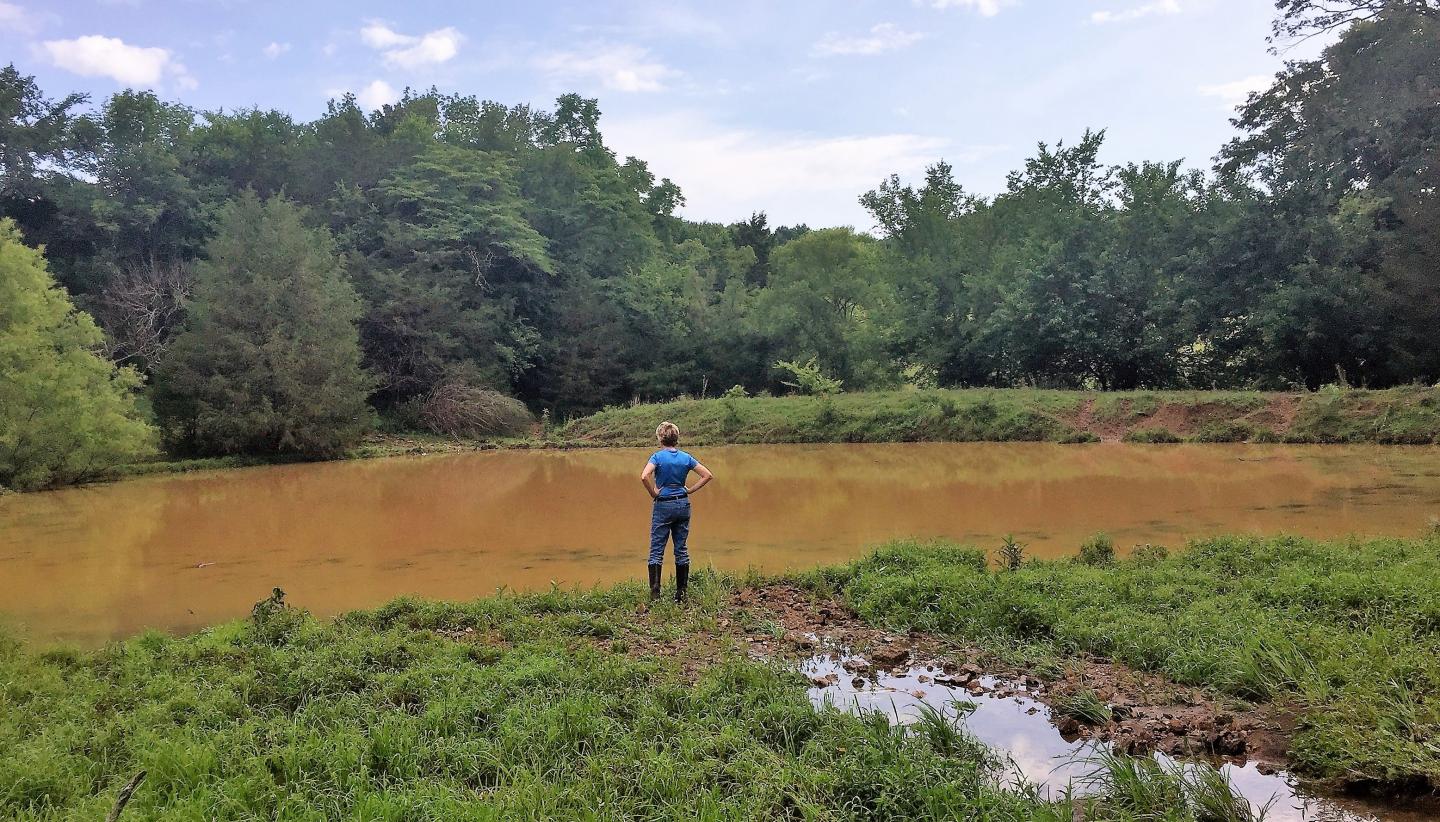
Step 1: Identify Problems and Opportunities
Planning can start with a problem, an opportunity, shared concerns, or a perceived threat. Initial opportunities and problems are first identified based on readily available information provided by the client(s)
Ste 2 : Determine Objectives
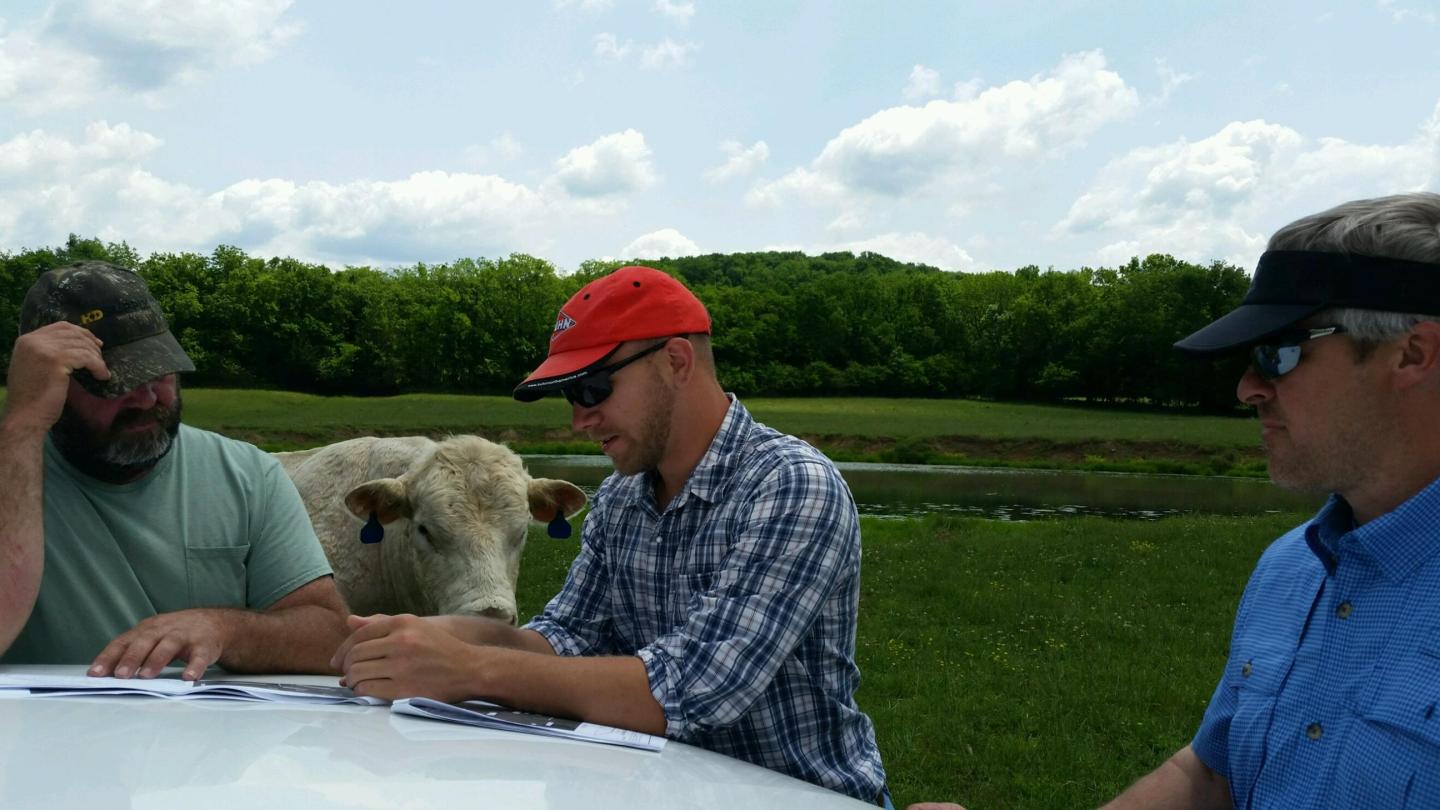
During this step, the stakeholders identify their objectives. A conservationist guides the process so that it includes the stakeholders needs and values as well as the resource use regarding onsite and offsite ecological protection.
Step 3: Inventory Resources
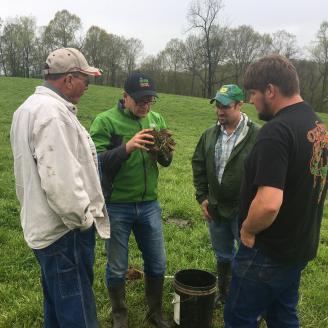
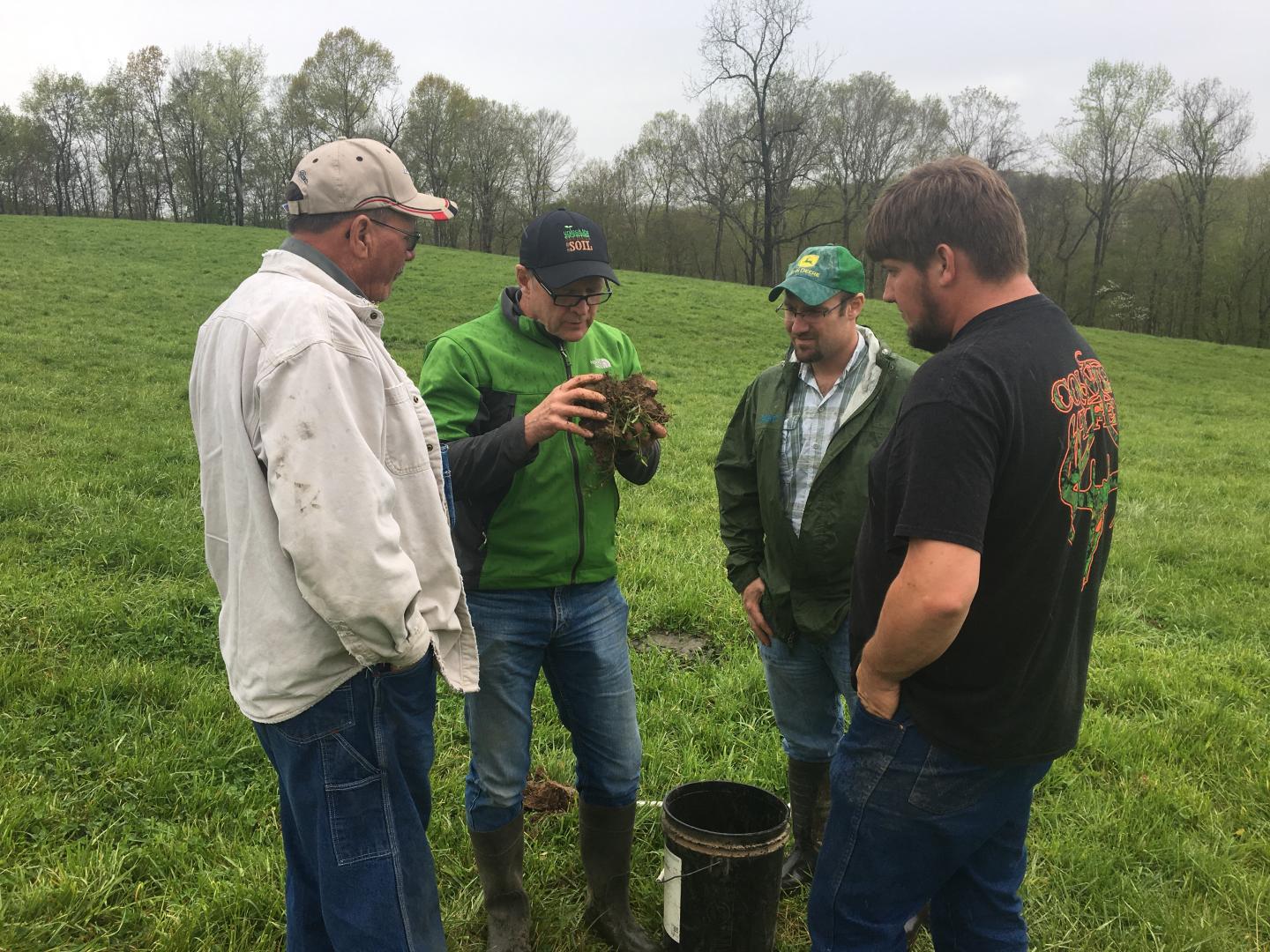
In this step, appropriate natural resource, economic and social information for the planning area is collected. The information will be used to further define the problems and opportunities. It will also be used throughout the entire process to define alternatives and to evaluate the plan. It is important that as much information as possible can be collected so that the plan will fit both the needs of the landowner and the natural resources.
Step 4: Analyze Resource Data
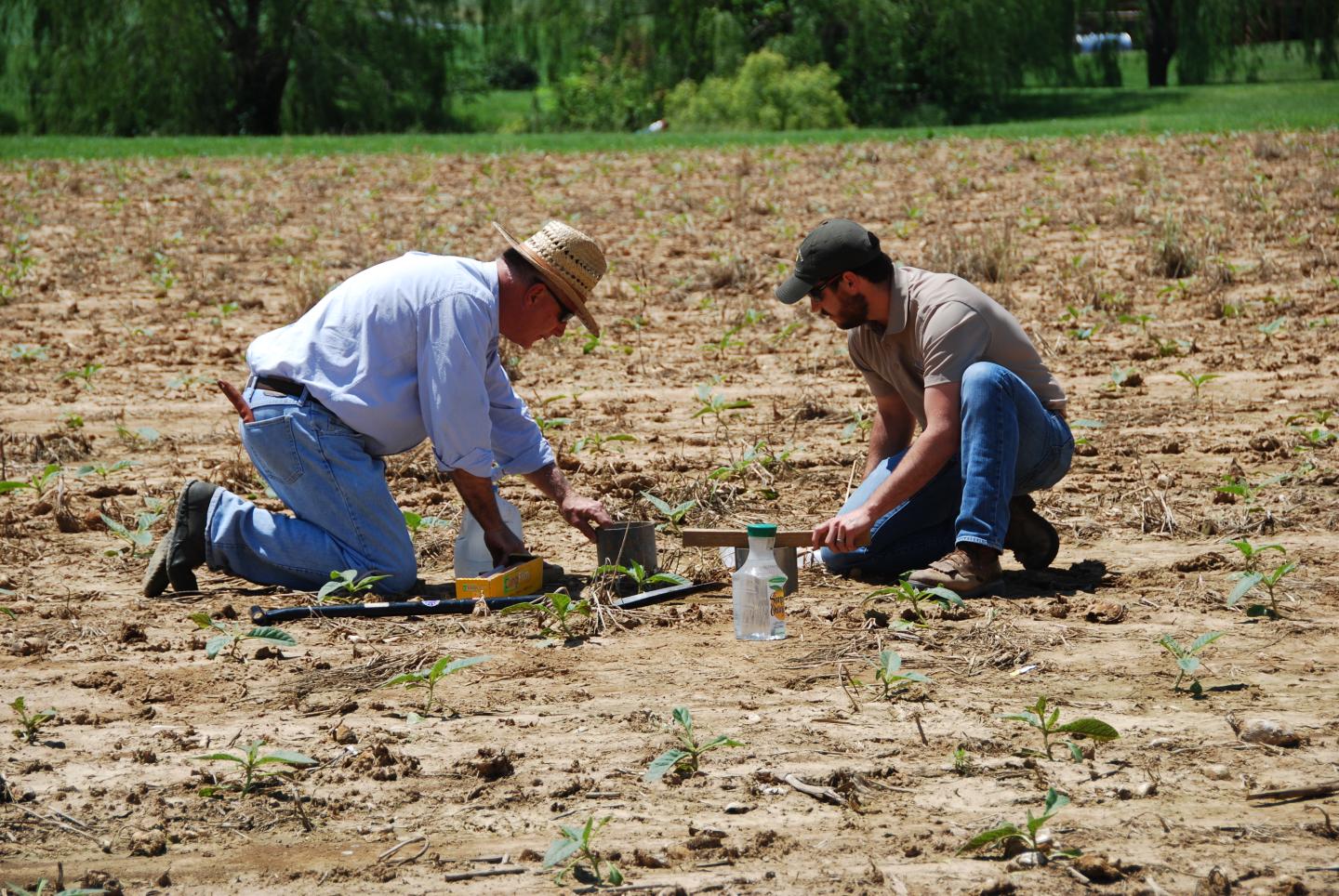
Study the resource data and clearly define existing conditions for all the natural resources, including limitations and potential for the desired use. This step is crucial to developing plans that will work for a landowner and their land.
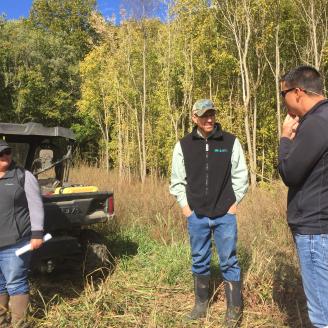
Step 5: Formulate Alternative
The purpose of this step is to achieve the goals for the land, by solving all identified problems, taking advantage o f opportunities, and meeting the social, economic, and environmental needs of the planning project.
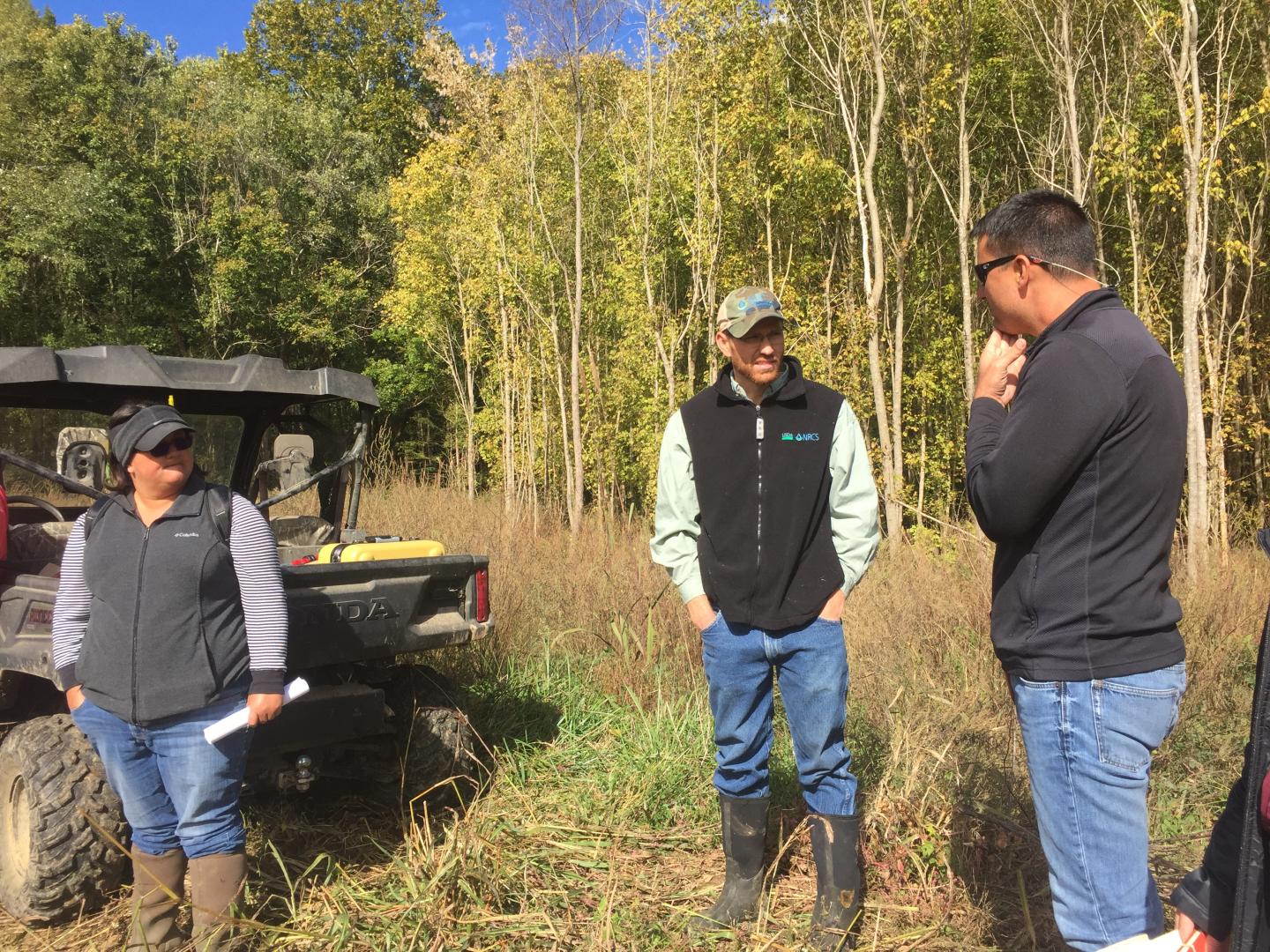
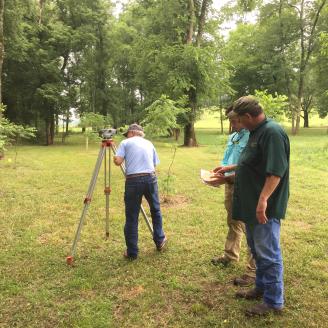
Step 6: Evaluate Alternatives
Evaluate the alternatives to determine their effectiveness in addressing the client’s problems, opportunities and objectives. Attention must be given to those ecological values protected by law or executive order.

Step 7: Make Decisions
At this point the landowner chooses which project or plan will work best for their situation. The planner prepares the documentation.
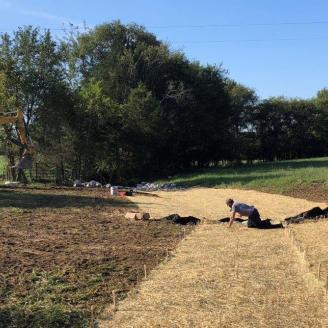
Step 8: Implement the Plan
Technical assistance is provided to help with the installation of adequate and properly-designed conservation practices.
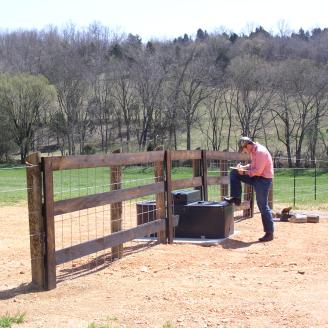
Step 9: Evaluate the Plan
Conservation planning is an ongoing process, that continues long after the implementation of a conservation practice. By evaluating the effectiveness of a conservation of a conservation plan or a practice within a plan, stakeholders can decide whether to continue with other aspects of an overall areawide plan.