


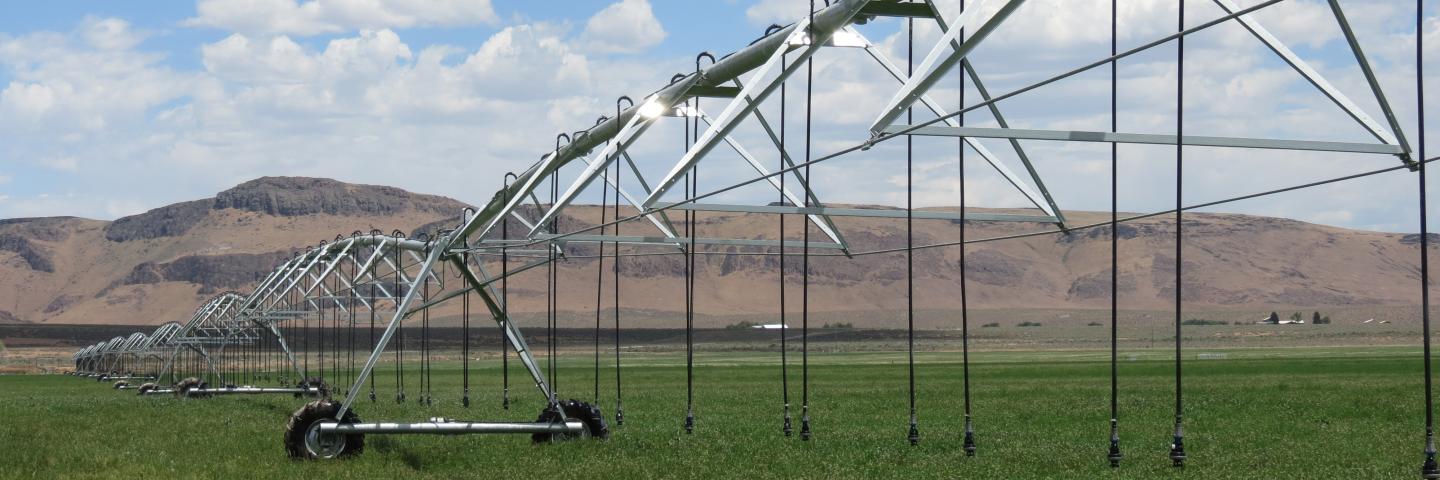


NRCS Nevada offers a variety of programs to help farmers, ranchers, forest landowners, Tribes and conservation partners with financial and technical assistance to voluntarily put conservation on the ground, not only helping the environment but agricultural operations, too.
On This Page
Nevada State Office
Popular Topics
Nevada Service Center Map

Nevada Service Center Map
This map shows the boundaries of the NRCS Service Center Areas, field office locations within those areas, and Indian Reservations, and provides contact information for people interested in seeking services.
NV NRCS Service Centers 8/31/26
(377.05 KB)
Dates and Deadlines
Dates and Deadlines
Applications are now being accepted for Fiscal Year 2027 financial assistance programs. Interested producers should have their application submitted by Oct. 15, 2026. Programs available include:
- Environmental Quality Incentive Program (EQIP)
- Conservation Stewardship Program (CSP)
- Agricultural Conservation Easement Program (ACEP)
- Agricultural Management Assistance (AMA)
For more information contact your local NRCS service center.
News release: NRCS in Nevada Accepting Applications for Conservation Programs
Great Basin Plant Materials Center

Great Basin Plant Materials Center
Information provided by and about the Great Basin Plant Materials Center
Nevada Snow Survey
Nevada Snow Survey
Jobs
Jobs
Please check back here or at USAJobs for future openings.
To learn more about how to search for positions posted in USAJobs and resume writing tips for Federal jobs, check out the fact sheet below.
USAJobs fact sheet
(345.23 KB)
.
Tribal Information
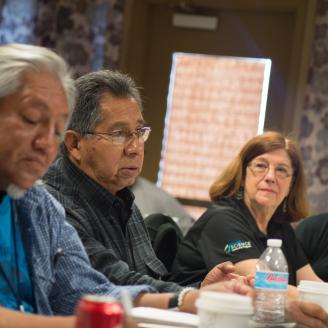
Tribal Information
This site is under construction. It will contain information about NRCS programs in Nevada as it relates to Tribes.
For information on NRCS programs related to tribes, contact John George, Nevada NRCS American Indian Liaison, at
- (775) 309 9535
- jonathan.george@usda.gov
Meetings
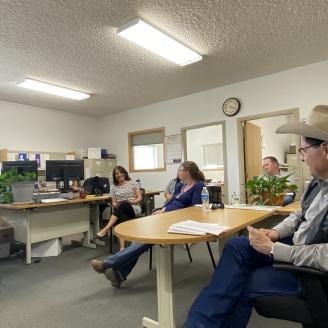
Meetings
The next meeting will take place in Fall 2026, and information will be posted as it becomes available. For more info go here.
Post-Fire Assistance and Information

Post-Fire Assistance and Information
When disaster strikes, we’re here to help you. The USDA’s Farm Service Agency (FSA), Natural Resources Conservation Service (NRCS) and Risk Management Agency (RMA) offer a variety of recovery programs and insurance products to help farmers, ranchers and communities that have been hard-hit by wildfire. Other State and Federal agencies have resources and information to assist as well.
USDA (FSA/NRCS/RMA): USDA's Disaster Assistance: Emergency Assistance for Wildfire
Disaster-at-a-Glance Fact Sheet
Disaster Assistance Discovery Tool
Natural Disasters and Crop Insurance
NRCS: USDA’s Natural Resources Conservation Service (NRCS) has technical and financial assistance available to help farmers and livestock producers recover from recent wildfires.
Environmental Quality Incentives Program (EQIP)
EQIP provides agricultural producers with financial resources and one-on-one help to plan and implement improvements on the land. While not established specifically for disaster response, the program can assist with immediate recovery needs, such as replacement of damaged infrastructure like fences and water developments and provide long-term recovery assistance through seeding, annual invasive treatment and other activities.
Emergency Watershed Protection Program (EWP)
EWP assists local government sponsors with the cost of addressing watershed impairments or hazards such as debris removal and streambank stabilization.
Eligible sponsors include cities, counties, towns or any federally recognized Native American tribe or tribal organization. Sponsors must submit a formal request (by mail or email) to the NRCS state conservationist for assistance within 60 days of the natural disaster occurrence or 60 days from the date when access to the sites becomes available. For more information, sponsors should contact their local NRCS office.
In addition to EWP, Conservation Technical Assistance is another valuable service that NRCS can provide following a wildfire. NRCS technical assistance can help fire victims with planning cost-effective post fire restoration practices.
USGS: Postfire debris-flow hazards
Nevada Division of Forestry: Wildfire Rehabilitation and Restoration
University of Nevada Cooperative Extension:
What grows back after the fire
A compilation of good plant choices for Nevada’s high fire hazard areas
Greenstrips: Another tool to manage wildfire
Fuel Management Terms for Homeowners
What is defensible space and how do I create some around my home?
Living with defensible space guide
Choosing the right plants for Northern Nevada’s High Fire Hazard Area
Taking care of residential trees after wildfire
State Programs and Initiatives
USDA’s Natural Resources Conservation Service (NRCS) and Farm Service Agency (FSA) offer federally funded, voluntary conservation programs to help farmers, ranchers, and private forest landowners protect and conserve the natural resources we all depend on, supporting healthy soil, cleaner air and water, and conserving wildlife habitats.
NRCS and FSA conservation programs are incentive based and provide financial assistance to implement conservation practices. NRCS also offers free conservation technical assistance to help producers plan practices. NRCS accepts applications for conservation programs year-round, but applications are ranked and funded by funding cycle, which have state specific application dates.
NRCS and FSA conservation programs are incentive based and provide financial assistance to implement conservation practices. NRCS also offers free conservation technical assistance to help producers plan practices. NRCS accepts applications for conservation programs year-round, but applications are ranked and funded by funding cycle, which have state specific application dates.



State Payment Schedule
NRCS provides financial assistance for selected conservation practices. The availability and amount of financial assistance can vary between states.
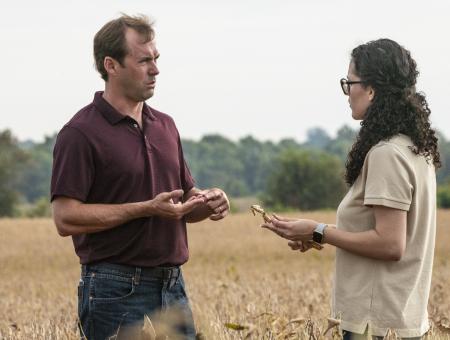
State Technical Committee
State Technical Committees serve in an advisory capacity to the Natural Resources Conservation Service (NRCS) and other agencies of the U.S. Department of Agriculture (USDA) on the implementation of the natural resources conservation provisions of Farm Bill legislation.
How to Get Assistance
Do you farm or ranch and want to make improvements to the land that you own or lease?
Natural Resources Conservation Service offers technical and financial assistance to help farmers, ranchers and forest landowners.
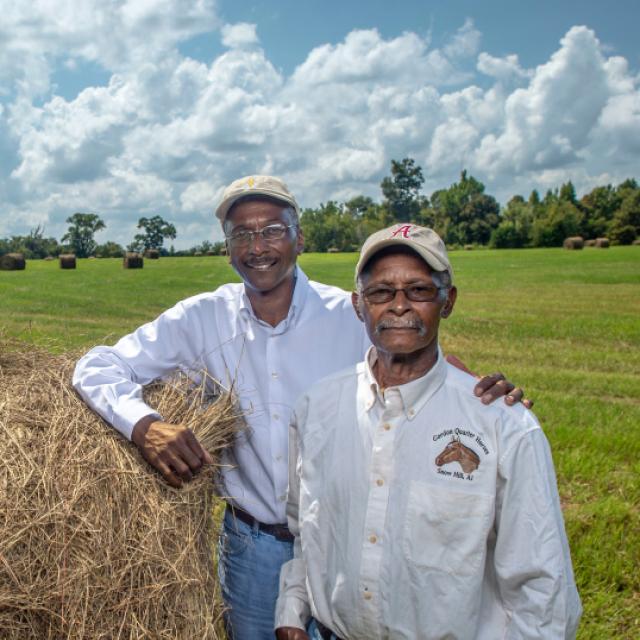
To get started with NRCS, we recommend you stop by your local NRCS field office. We’ll discuss your vision for your land.
NRCS provides landowners with free technical assistance, or advice, for their land. Common technical assistance includes: resource assessment, practice design and resource monitoring. Your conservation planner will help you determine if financial assistance is right for you.
We’ll walk you through the application process. To get started on applying for financial assistance, we’ll work with you:
- To fill out an AD 1026, which ensures a conservation plan is in place before lands with highly erodible soils are farmed. It also ensures that identified wetland areas are protected.
- To meet other eligibility certifications.
Once complete, we’ll work with you on the application, or CPA 1200.
Applications for most programs are accepted on a continuous basis, but they’re considered for funding in different ranking periods. Be sure to ask your local NRCS district conservationist about the deadline for the ranking period to ensure you turn in your application in time.
As part of the application process, we’ll check to see if you are eligible. To do this, you’ll need to bring:
- An official tax ID (Social Security number or an employer ID)
- A property deed or lease agreement to show you have control of the property; and
- A farm number.
If you don’t have a farm number, you can get one from USDA’s Farm Service Agency. Typically, the local FSA office is located in the same building as the local NRCS office. You only need a farm number if you’re interested in financial assistance.
NRCS will take a look at the applications and rank them according to local resource concerns, the amount of conservation benefits the work will provide and the needs of applicants. View Application Ranking Dates by State.
If you’re selected, you can choose whether to sign the contract for the work to be done.
Once you sign the contract, you’ll be provided standards and specifications for completing the practice or practices, and then you will have a specified amount of time to implement. Once the work is implemented and inspected, you’ll be paid the rate of compensation for the work if it meets NRCS standards and specifications.


