


The Environmental Quality Incentives Program (EQIP) is NRCS’ flagship conservation program that helps farmers, ranchers and forest landowners integrate conservation into working lands.
Environmental Quality Incentives Program (EQIP) 2027
Farmers can apply now for technical and financial assistance through the Environmental Quality Incentives Program (EQIP).
The first EQIP application cutoff date for Fiscal Year 2027 is October 16, 2026.
An additional application cutoff date is scheduled March 19, 2027.
There isn't a separate cover crop sign up date. If interested in cover crop, the application cutoff date is October 16, 2026; Same as General EQIP.
Application cutoff date for Act Now is November 13, 2026. More information below.
Eligibility
Agricultural producers and owners of non-industrial private forestland and Tribes are eligible to apply for EQIP. Eligible land includes cropland, rangeland, pastureland, non-industrial private forestland and other farm or ranch lands.
Socially disadvantaged, beginning and limited resource farmers, Indian tribes and veterans are eligible for an increased payment rate and an advance payment of up to 50 percent to purchase materials and services needed to implement conservation practices included in their EQIP contract.
Participant Responsibilities
- Control or own eligible land
- Comply with adjusted gross income limitation (AGI) provisions
- Be in compliance with the highly erodible land and wetland conservation requirements
- Filed a Business Plan 902 at the local FSA office
- Develop an NRCS EQIP plan of operations
Additional restrictions and program requirements may apply. Contact your local USDA Service Center.
Documents and Forms
Applications can be acquired on Farmers.gov
Advance Payments for Implementation of Practices is available to all Historically Underserved Applicants. Please read Fact Sheet below to determine if an Advance Payment is for you.
Payment cap for Obstruction Removal code 500 is $20,000 for non-HU and $24,000 for HU participants.
Act Now Information
Application Deadline is November 13, 2026.
EQIP Act Now Ranking Pool Categories & Minimum ranking threshold
• CPA-DIA-CEMA Only - 20
• Cropland - 50
• Energy - 45
• Wildlife & Forestry Category - 15
• Beginning Farmer Category - 35
• Socially Disadvantaged Farmer Category - 45
Available Practices
- Brush Management (314)
- Seasonal High Tunnel (325)
- Critical Area Planting (342)
- Well Decommissioning (351)
- Combustion System Improvement (Grain Dryer) (372)
- Energy Efficient Agricultural Operations (374)
- Windbreak/Shelterbelt Establishment and Renovation (380)
- Field Border (386)
- Riparian Herbaceous Cover (390)
- Riparian Forest Cover (391)
- Firebreak (394)
- Wildlife Habitat Planting (420)
- Hedgerow Planting (422)
- Irrigation Pipeline (430)
- Irrigation Reservoir (436)
- Irrigation Water Management (449)
- Mulching (484)
- Tree/Shrub Site Preparation (490)
- Pumping Plant (533)
- Drainage Water Management (554)
- Structure for Water Management (587)
- Saturated Buffer (604)
- Denitrifying Bioreactor (605)
- Subsurface Drain(606)
- Tree/Shrub Establishment (612)
- Underground Outlet (620)
- Phosphorus Removal System (624)
- Water Well (642)
- Restoration of Rare or Declining Natural Communities (642)
- Upland Wildlife Habitat Management (645)
- Early Successional Habitat Development/Management (647)
- Structures for Wildlife (649)
- Constructed Wetland (656)
- Forest Stand Improvement Improvement (666)
- Energy Efficient Lighting System (670)
- Energy Efficient Building Envelope (672)
- Amending Soil Properties with Lime (805)
- Raised Beds (812)
- Low Tunnel System (821)
- Wildlife Habitat Site Preparation (828)
Act Now CPA-DIA-CEMA Only Category
- Comprehensive Nutrient Management Plan (102)
- Forest Management Plan (106)
- Grazing Management Plan (110)
- Soil Health Management Plan (116)
- Conservation Plan Supporting Organic Transition (138)
- Conservation Plan (199)
- CNMP Design and Implementation Activity (101)
- Agricultural Energy Design (120)
- Transition to Organic Design (140)
- Fish and Wildlife Habitat Design (144)
- Pollinator Habitat Design (148)
- Nutrient Management Design and Implementation Activity (157)
- Feed Management Design (158)
- Grazing Management Design (159)
- Prescribed Burning Design (160)
- Prescribed Burning Design (161)
- Prescribed Burning Design (162)
- Irrigation Water Management Design (163)
- Improved Management of Drainage Water Design (164)
- Forest Management Practice Design (165)
- Edge-of-Field Water Quality Monitoring - Data Collection and
Evaluation (201) - Edge-of-Field Water Quality Monitoring – System Installation (202)
- Adaptive Management for Soil Health (204)
- Feed and Forage Analysis (206)
- Site Assessment and Soil Testing for Contaminants Activity (207)
- PFAS Testing in Water and Soil (209)
- Soil Health Testing (216)
- Soil and Source Testing for Nutrient Management (217)
- COMET – Farm Assessment (218)
- Prescribed Grazing Conservation Evaluation and Monitoring (219)
- Soil Organic Carbon Stock Monitoring (221)
- Indigenous Stewardship Methods Evaluation (222)
- Forest Management Assessment (223)
- Aquifer Flow Test (224)
- Waste Facility Site Suitability and Feasibility (226)
- Evaluation of Existing Waste Storage Facility Components Assessment (227)
- Agricultural Energy Assessment (228)
- Nutrient Management Implementation Evaluation (257)
Link to CPA-DIA-CEMA Descriptions
Staff Contact: Justin Ford, State Program Specialist
Phone: (302) 362-0866
Email: justin.ford@usda.gov
For more information on NRCS programs, contact your local USDA Service Center. In Sussex County, call 302-856-3990, ext. 3; in Kent County, call 302-741-2600, ext. 3; and in New Castle County, call 302-832-3100, ext. 3.
Ready to get started?
Contact your local service center to start your application.
How to Get Assistance
Do you farm or ranch and want to make improvements to the land that you own or lease?
Natural Resources Conservation Service offers technical and financial assistance to help farmers, ranchers and forest landowners.
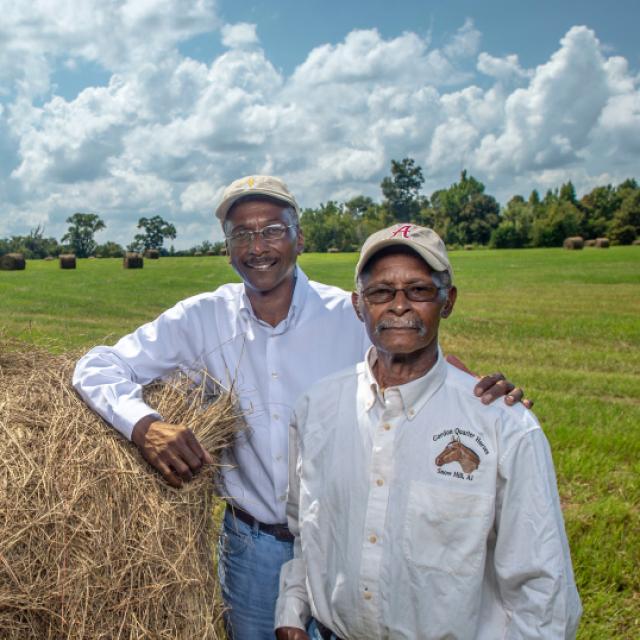
To get started with NRCS, we recommend you stop by your local NRCS field office. We’ll discuss your vision for your land.
NRCS provides landowners with free technical assistance, or advice, for their land. Common technical assistance includes: resource assessment, practice design and resource monitoring. Your conservation planner will help you determine if financial assistance is right for you.
We’ll walk you through the application process. To get started on applying for financial assistance, we’ll work with you:
- To fill out an AD 1026, which ensures a conservation plan is in place before lands with highly erodible soils are farmed. It also ensures that identified wetland areas are protected.
- To meet other eligibility certifications.
Once complete, we’ll work with you on the application, or CPA 1200.
Applications for most programs are accepted on a continuous basis, but they’re considered for funding in different ranking periods. Be sure to ask your local NRCS district conservationist about the deadline for the ranking period to ensure you turn in your application in time.
As part of the application process, we’ll check to see if you are eligible. To do this, you’ll need to bring:
- An official tax ID (Social Security number or an employer ID)
- A property deed or lease agreement to show you have control of the property; and
- A farm number.
If you don’t have a farm number, you can get one from USDA’s Farm Service Agency. Typically, the local FSA office is located in the same building as the local NRCS office. You only need a farm number if you’re interested in financial assistance.
NRCS will take a look at the applications and rank them according to local resource concerns, the amount of conservation benefits the work will provide and the needs of applicants. View Application Ranking Dates by State.
If you’re selected, you can choose whether to sign the contract for the work to be done.
Once you sign the contract, you’ll be provided standards and specifications for completing the practice or practices, and then you will have a specified amount of time to implement. Once the work is implemented and inspected, you’ll be paid the rate of compensation for the work if it meets NRCS standards and specifications.