

Applications and Forms
If you’re interested in applying for NRCS conservation programs, contact your local NRCS office. To apply, you’ll have to complete an application as well as have other forms on file.

Official websites use .gov
A .gov website belongs to an official government organization in the United States.

Secure .gov websites use HTTPS
A lock (
) or https:// means you’ve safely connected to the .gov website. Share sensitive information only on official, secure websites.
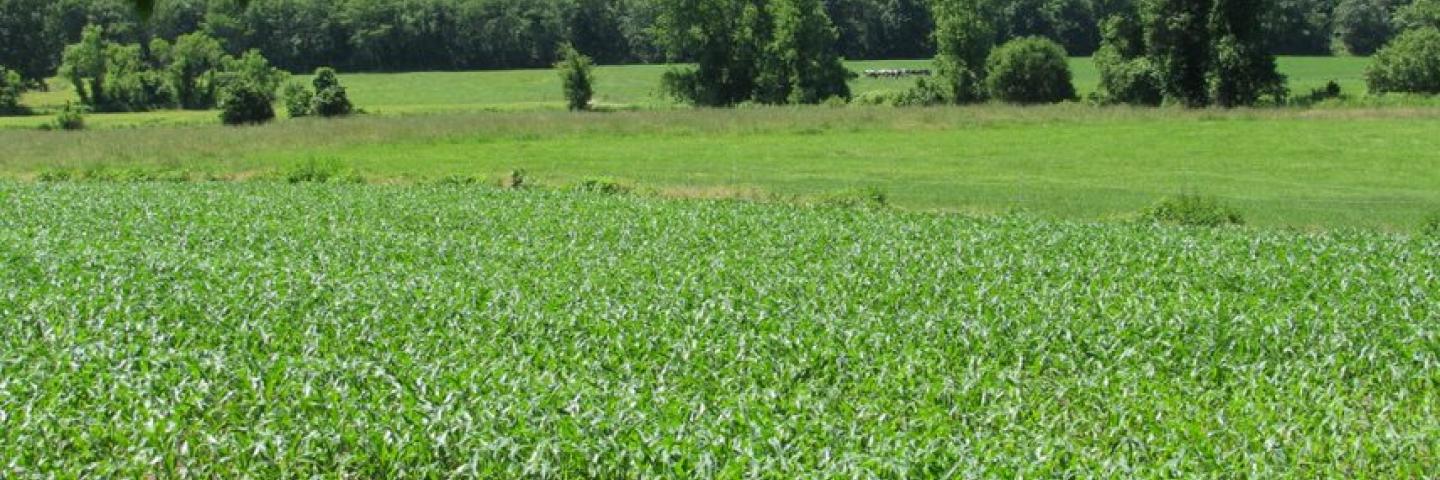
The Agricultural Conservation Easement Program (ACEP) helps landowners, land trusts, and other entities protect, restore, and enhance wetlands or protect working farms and ranches through conservation easements.
The Agricultural Conservation Easement Program (ACEP) protects the agricultural viability and related conservation values of eligible land by limiting nonagricultural uses which negatively affect agricultural uses and conservation values, protect grazing uses and related conservation values by restoring or conserving eligible grazing land, and protecting and restoring and enhancing wetlands on eligible land.
ACEP has two components:
Additionally, through ACEP, USDA offers the Wetland Reserve Enhancement Partnership (WREP), a voluntary program through which NRCS enters into agreements with eligible partners to leverage resources to carry out high priority wetland protection, restoration, and enhancement and to improve wildlife habitat.
The ALE interactive map showcases successful projects across the country protecting croplands and grasslands on working farms and ranches.
The following document is state-specific ranking criteria for fiscal year 2026.
ALE applications received by NRCS are prioritized based on specific ranking questions. The FY 2026 ranking questions for ALE in Connecticut will be published on this site at the earliest date possible.

Farnham farm enrolled 138 acres of their 300-year-old farm in ACEP-ALE in partnership with the Connecticut Farmland Trust and Morris Land Trust.
Do you farm or ranch and want to make improvements to the land that you own or lease?
Natural Resources Conservation Service offers technical and financial assistance to help farmers, ranchers and forest landowners.

To get started with NRCS, we recommend you stop by your local NRCS field office. We’ll discuss your vision for your land.
NRCS provides landowners with free technical assistance, or advice, for their land. Common technical assistance includes: resource assessment, practice design and resource monitoring. Your conservation planner will help you determine if financial assistance is right for you.
We’ll walk you through the application process. To get started on applying for financial assistance, we’ll work with you:
Once complete, we’ll work with you on the application, or CPA 1200.
Applications for most programs are accepted on a continuous basis, but they’re considered for funding in different ranking periods. Be sure to ask your local NRCS district conservationist about the deadline for the ranking period to ensure you turn in your application in time.
As part of the application process, we’ll check to see if you are eligible. To do this, you’ll need to bring:
If you don’t have a farm number, you can get one from USDA’s Farm Service Agency. Typically, the local FSA office is located in the same building as the local NRCS office. You only need a farm number if you’re interested in financial assistance.
NRCS will take a look at the applications and rank them according to local resource concerns, the amount of conservation benefits the work will provide and the needs of applicants. View Application Ranking Dates by State.
If you’re selected, you can choose whether to sign the contract for the work to be done.
Once you sign the contract, you’ll be provided standards and specifications for completing the practice or practices, and then you will have a specified amount of time to implement. Once the work is implemented and inspected, you’ll be paid the rate of compensation for the work if it meets NRCS standards and specifications.

