


Press Release

Official websites use .gov
A .gov website belongs to an official government organization in the United States.

Secure .gov websites use HTTPS
A lock (
) or https:// means you’ve safely connected to the .gov website. Share sensitive information only on official, secure websites.
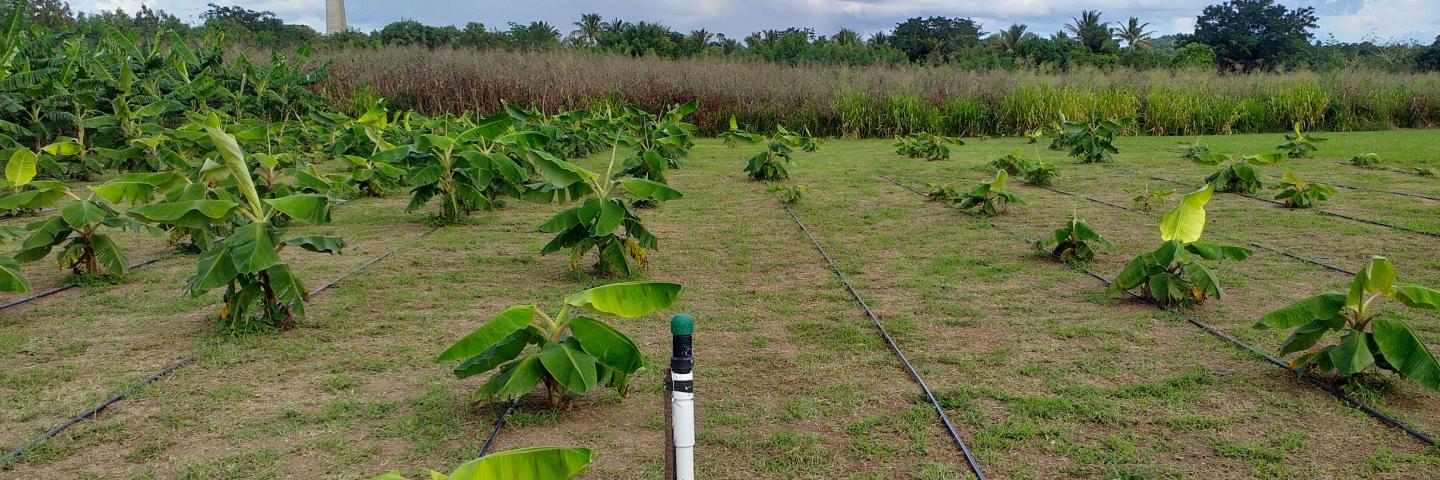
From weather to pests, Puerto Rico & U.S. Virgin Islands farmers face a unique set of challenges. The Environmental Quality Incentives Program provides financial and technical assistance to farmers and forest landowners in to address natural resource concerns and deliver environmental benefits.

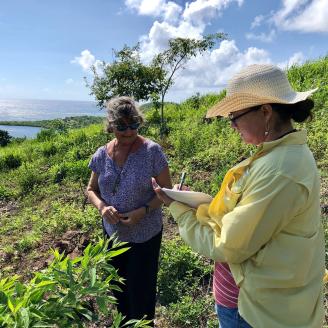
EQIP applications are accepted on a continuous basis, however, NRCS establishes application "cut-off" or submission deadline dates to evaluate, rank and approve eligible applications. EQIP is open to all eligible farmers and submitted applications may be considered or evaluated in multiple funding pool opportunities. Contact your local NRCS office for more information.
The Environmental Quality Incentives Program (EQIP) provides financial and technical assistance to agricultural and forestry producers in Puerto Rico and the U.S. Virgin Islands (USVI) to address natural resource concerns and deliver environmental benefits such as improved water and air quality, conserved ground and surface water, reduced soil erosion and sedimentation, and improved or created wildlife habitat.
This voluntary conservation programs helps producers make conservation work for them. Together, NRCS and producers invest in solutions that conserve natural resources for the future while also improving agricultural operations.
Through EQIP, NRCS provides agricultural producers and non-industrial forest managers with financial resources and one-on-one help to plan and implement conservation practices. Using these practices can lead to cleaner water and air, healthier soil and better wildlife habitat, all while improving agricultural operations. Through EQIP, you can voluntarily implement conservation practices, and NRCS co-invests in these practices with you.

Through EQIP, NRCS provides farmers with financial resources and one-on-one help to plan and implement conservation practices. Using these practices can lead to cleaner water and air, healthier soil and better wildlife habitat, all while improving agricultural operations. Through EQIP, you can voluntarily implement conservation practices, and NRCS co-invests in these practices with you. Some benefits include:
Targeted EQIP financial assistance is available through several programmatic and landscape conservation initiatives.
Landscape Conservation Initiatives address priority natural resource concerns on the most vulnerable lands, target conservation assistance in high priority watersheds, or help stimulate the development and adoption of innovation and technology. Learn about Landscape Conservation Initiatives here.
Historically underserved (HU) participants are eligible for advance payments to help offset costs related to purchasing materials or contracting services through EQIP. HU participants may elect to receive an advance of not less than 50 percent of the EQIP conservation practice payment amount. Participants who receive an advance payment must expend the funds within 90 days of receiving the advance.
The best way to learn if EQIP is a good fit for you is by contacting your local NRCS office. If you choose to move forward, your local NRCS conservationist will guide you through applying for the program. Applications are ranked, and if yours is funded, NRCS will offer you an EQIP contract to receive financial assistance for the cost of implementing practices. Payment rates for conservation practices are reviewed and set each fiscal year.
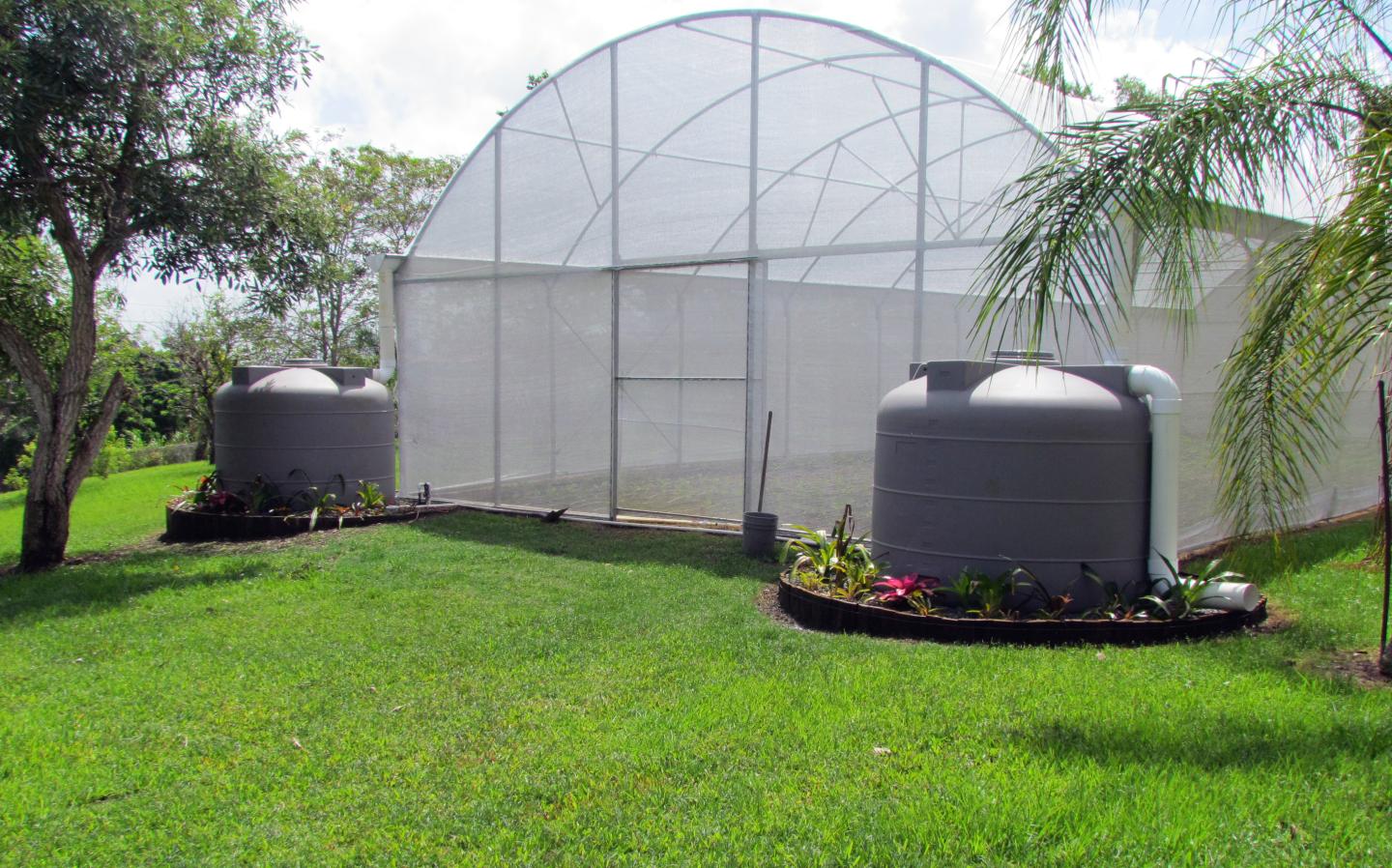
Extend your growing season and protect crops from sun and wind with a High Tunnel.
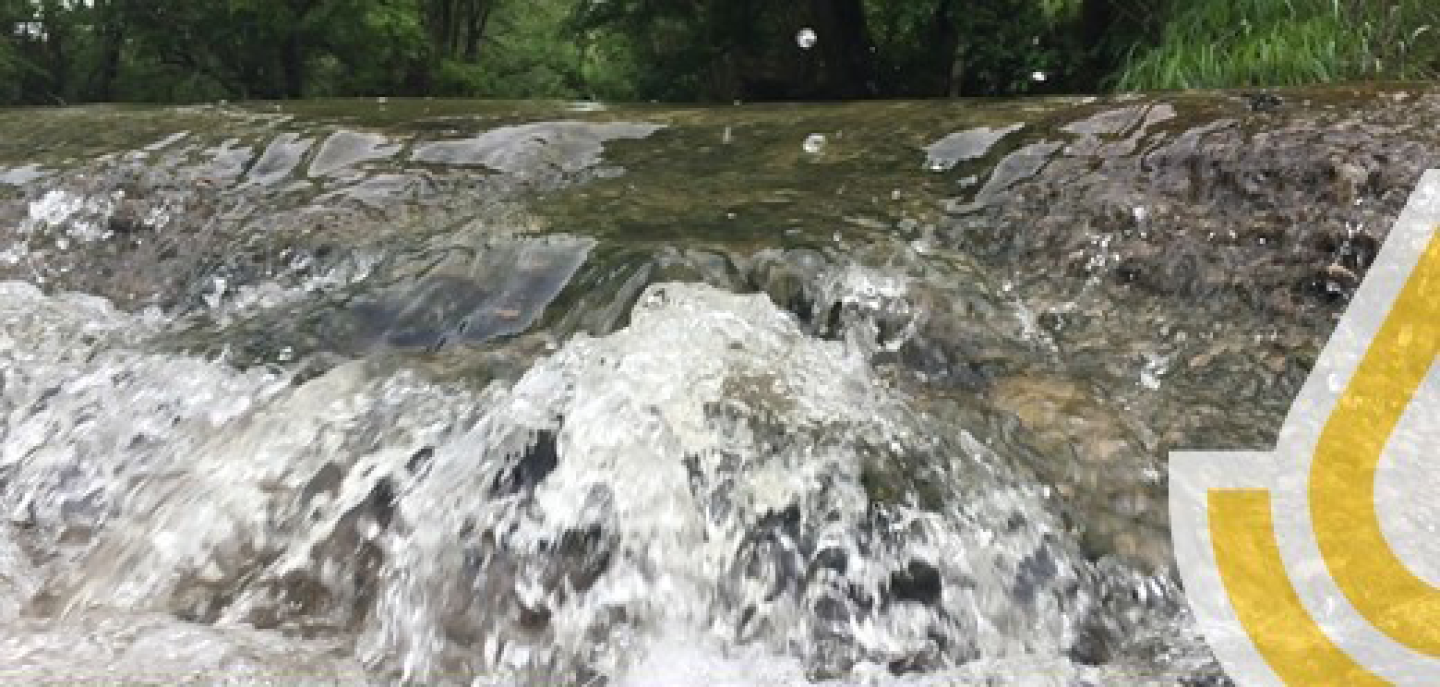
Apply conservation and management practices through a systems approach to control and trap sediment, nutrients and organic runoff to improve water quality and aquatic habitats.
The first cut-off date for the NRCS Caribbean Area fiscal year (FY) 2027 sign up period for the Environmental Quality Incentives Program (EQIP) was October 2, 2026.
The Environmental Quality Incentives Program helps farmers and ranchers improve and protect environmental quality on their land by offering financial and technical assistance to voluntarily implement conservation practices. In FY 2022, 238 farmers in the Caribbean Area signed up over 8,000 acres of farmland in EQIP contracts for over $12.7 million.
EQIP applications are accepted on a continuous basis, however, NRCS establishes application "cut-off" or submission deadline dates to evaluate, rank and approve eligible applications. EQIP is open to all eligible agricultural producers and submitted applications may be considered or evaluated in multiple funding pool opportunities.
Below is the FY 2027 EQIP Ranking Criteria and Ranking Pool Report with the questions used to rank applications:
Contact your local service center to start your application.
Do you farm or ranch and want to make improvements to the land that you own or lease?
Natural Resources Conservation Service offers technical and financial assistance to help farmers, ranchers and forest landowners.
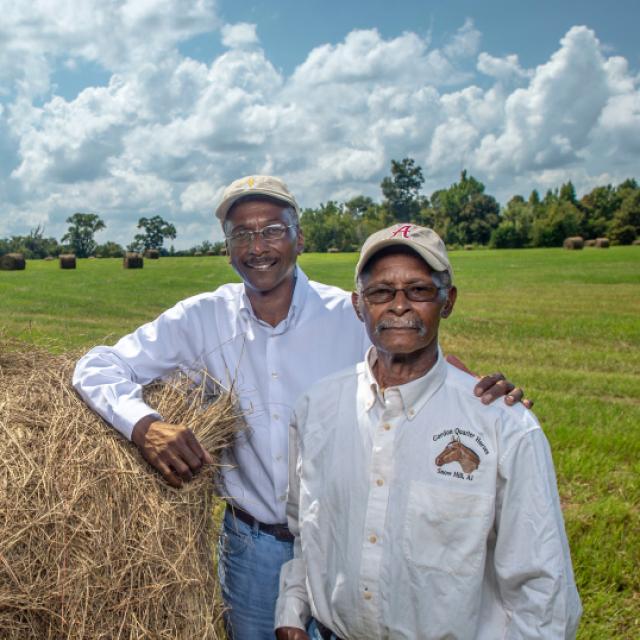
To get started with NRCS, we recommend you stop by your local NRCS field office. We’ll discuss your vision for your land.
NRCS provides landowners with free technical assistance, or advice, for their land. Common technical assistance includes: resource assessment, practice design and resource monitoring. Your conservation planner will help you determine if financial assistance is right for you.
We’ll walk you through the application process. To get started on applying for financial assistance, we’ll work with you:
Once complete, we’ll work with you on the application, or CPA 1200.
Applications for most programs are accepted on a continuous basis, but they’re considered for funding in different ranking periods. Be sure to ask your local NRCS district conservationist about the deadline for the ranking period to ensure you turn in your application in time.
As part of the application process, we’ll check to see if you are eligible. To do this, you’ll need to bring:
If you don’t have a farm number, you can get one from USDA’s Farm Service Agency. Typically, the local FSA office is located in the same building as the local NRCS office. You only need a farm number if you’re interested in financial assistance.
NRCS will take a look at the applications and rank them according to local resource concerns, the amount of conservation benefits the work will provide and the needs of applicants. View Application Ranking Dates by State.
If you’re selected, you can choose whether to sign the contract for the work to be done.
Once you sign the contract, you’ll be provided standards and specifications for completing the practice or practices, and then you will have a specified amount of time to implement. Once the work is implemented and inspected, you’ll be paid the rate of compensation for the work if it meets NRCS standards and specifications.
