Success Story


The .gov means it’s official.
Federal government websites often end in .gov or .mil. Before sharing sensitive information, make sure you’re on a federal government site.

The site is secure.
The https:// ensures that you are connecting to the official website and that any information you provide is encrypted and transmitted securely.
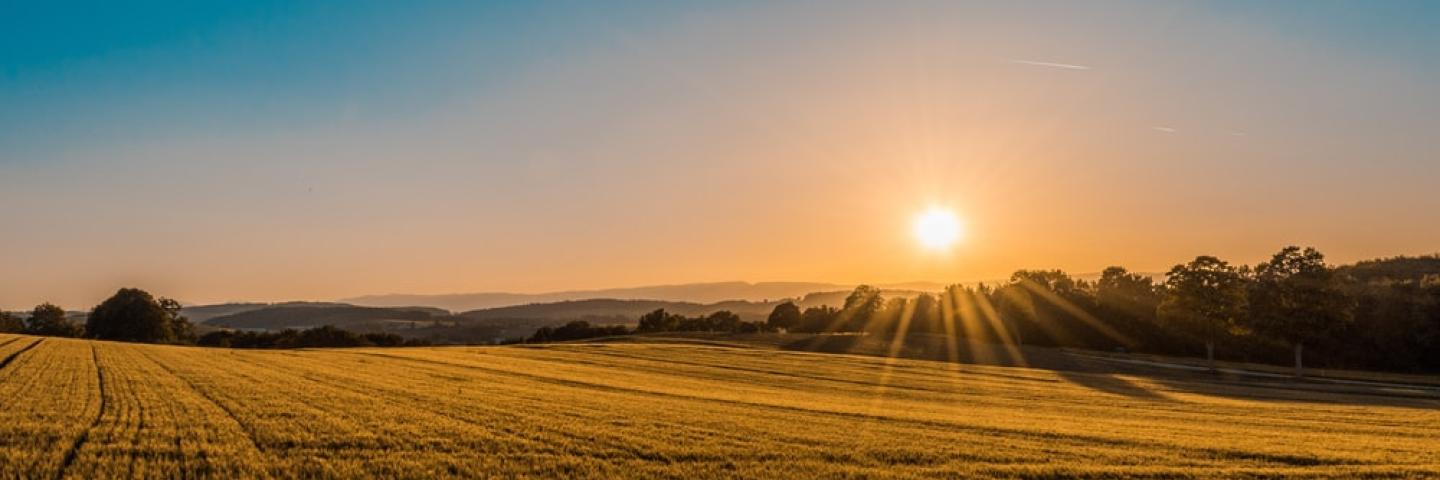
Climate change threatens agricultural production, forest resources and rural economies. NRCS offers a variety of programs, services, resources and tools to help farmers, ranchers, forest landowners and partners pursue voluntary conservation efforts to deliver climate solutions.
NRCS offers financial assistance and one-on-one technical support through voluntary conservation programs. Several NRCS conservation programs directly support climate-smart agriculture and forestry, including the Environmental Quality Incentives Program (EQIP), Conservation Stewardship Program (CSP), Agricultural Conservation Easement Program (ACEP) and Conservation Technical Assistance. Visit farmers.gov/climate-smart to learn how each program supports climate-smart agriculture and forestry.
The Inflation Reduction Act provides an additional $19.5 billion over five years to support USDA’s conservation programs that yield climate change mitigation benefits. NRCS is increasing Climate-Smart Agricultural and Forestry Mitigation Activities eligible for Inflation Reduction Act funding for fiscal year 2024 through the Environmental Quality Incentives Program (EQIP) and Conservation Stewardship Program (CSP).
State-specific application ranking dates for NRCS programs are available on the NRCS Program Application Ranking Dates webpage.
Producers and landowners should contact the NRCS office at their local USDA Service Center for additional information and one-on-one technical support specific to their working land. USDA Service Centers are in nearly every county across the United States.
If you’re new to working with NRCS, the Conservation at Work Video Series provide examples of conservation practices that may work well for your operation, including options that contribute to climate change mitigation.
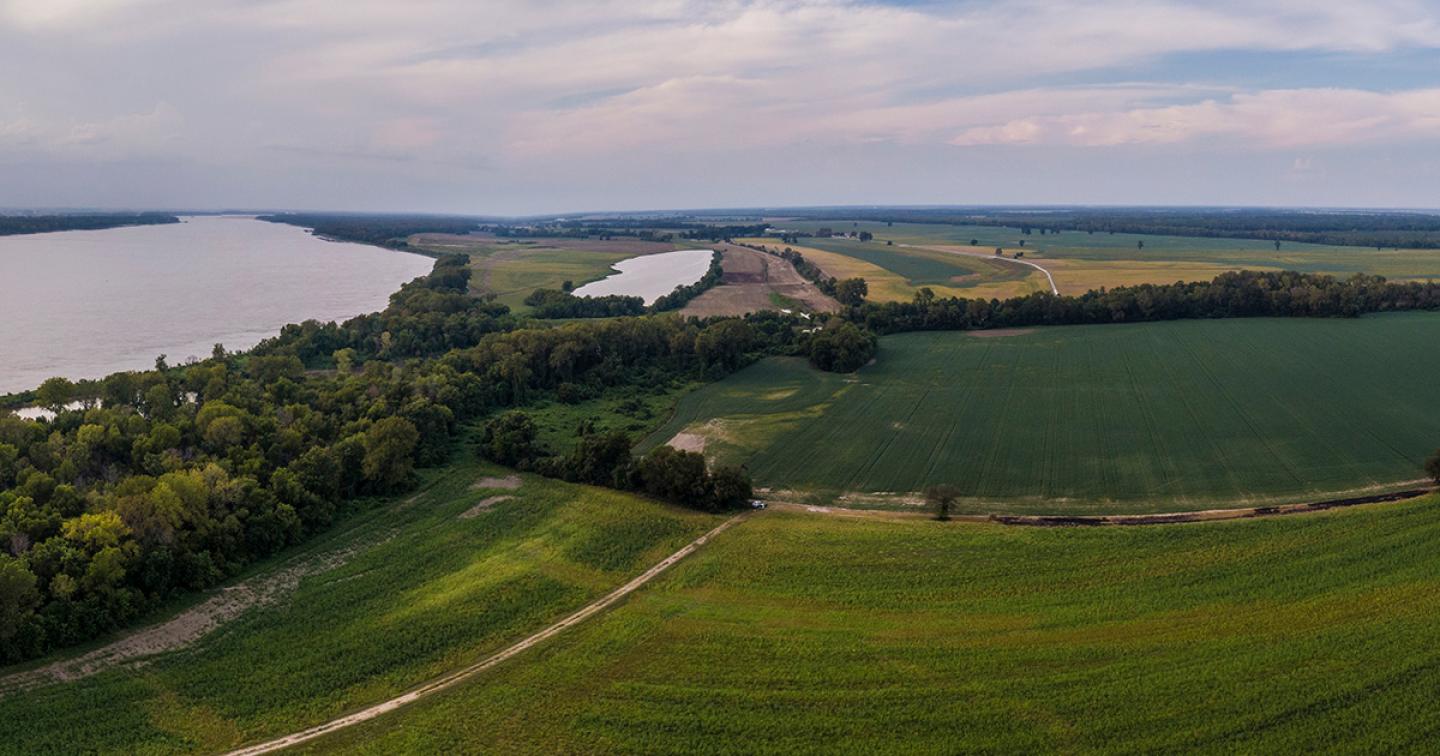
The Inflation Reduction Act, part of President Biden's Investing in America agenda, represents the single largest investment in climate and clean energy solutions in American history.
Adaptation actions can be taken in response to local climate change impacts and projections to reduce risks and vulnerabilities, build resilience and help to maintain productivity. NRCS helps agricultural producers and private landowners voluntarily mitigate climate change.
Adaptation actions can be taken in response to local climate change impacts and projections to reduce risks and vulnerabilities, build resilience and help to maintain productivity.
Learn MoreNRCS's Climate Change Adaptation Plan, published in July 2022.
Learn MoreNRCS helps agricultural producers and private landowners voluntarily mitigate climate change (reduce greenhouse gas emissions and improve carbon storage) by providing technical and financial assistance, tools, science, and knowledge.
Learn MoreProducers and land managers are experiencing firsthand the impacts of climate change, which is caused by the build-up of greenhouse gases in the atmosphere. With support from NRCS, farmers, ranchers and forest landowners across the nation’s working lands can contribute to climate solutions.
Learn MoreUSDA offers resources, tools and data to support producers, land managers, partners and rural communities in making informed, science-based decisions to support climate change mitigation and build climate resilience. Those delivered by or in partnership with NRCS include:
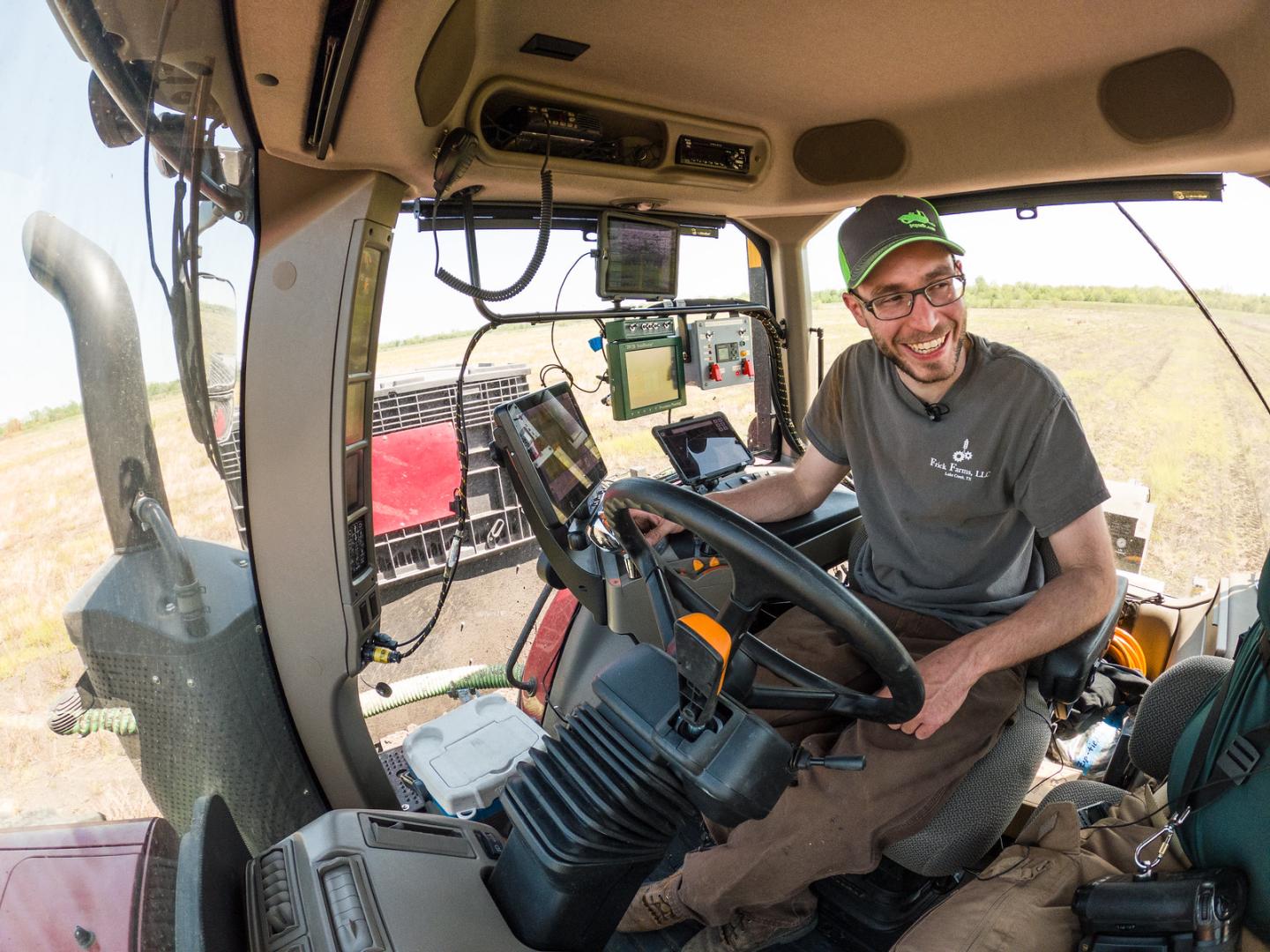
Nutrient management maximizes crop-nitrogen uptake and has a compelling and cost-effective role to play in mitigating greenhouse gas emissions from agriculture.
Do you farm or ranch and want to make improvements to the land that you own or lease?
Natural Resources Conservation Service offers technical and financial assistance to help farmers, ranchers and forest landowners.
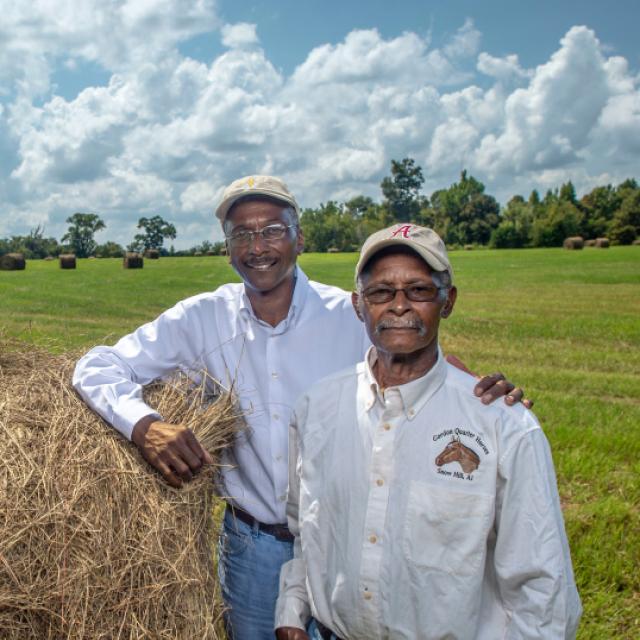
To get started with NRCS, we recommend you stop by your local NRCS field office. We’ll discuss your vision for your land.
NRCS provides landowners with free technical assistance, or advice, for their land. Common technical assistance includes: resource assessment, practice design and resource monitoring. Your conservation planner will help you determine if financial assistance is right for you.
We’ll walk you through the application process. To get started on applying for financial assistance, we’ll work with you:
Once complete, we’ll work with you on the application, or CPA 1200.
Applications for most programs are accepted on a continuous basis, but they’re considered for funding in different ranking periods. Be sure to ask your local NRCS district conservationist about the deadline for the ranking period to ensure you turn in your application in time.
As part of the application process, we’ll check to see if you are eligible. To do this, you’ll need to bring:
If you don’t have a farm number, you can get one from USDA’s Farm Service Agency. Typically, the local FSA office is located in the same building as the local NRCS office. You only need a farm number if you’re interested in financial assistance.
NRCS will take a look at the applications and rank them according to local resource concerns, the amount of conservation benefits the work will provide and the needs of applicants. View Application Ranking Dates by State.
If you’re selected, you can choose whether to sign the contract for the work to be done.
Once you sign the contract, you’ll be provided standards and specifications for completing the practice or practices, and then you will have a specified amount of time to implement. Once the work is implemented and inspected, you’ll be paid the rate of compensation for the work if it meets NRCS standards and specifications.