

EWP
Have You Experienced a Disaster?
Visit the Disaster Assistance Discover Tool and get started with five easy steps.


Official websites use .gov
A .gov website belongs to an official government organization in the United States.

Secure .gov websites use HTTPS
A lock (
) or https:// means you’ve safely connected to the .gov website. Share sensitive information only on official, secure websites.

The Emergency Watershed Protection (EWP) Program, a federal emergency recovery program, helps local communities recover after a natural disaster strikes.
Visit the Disaster Assistance Discover Tool and get started with five easy steps.
The EWP Program allows communities to quickly address serious and long-lasting damages to infrastructure and to the land. The EWP Program authorities offer NRCS the flexibility to act quickly to help local communities cope with adverse impacts resulting from natural disasters. EWP does not require a disaster declaration by federal or state officials for program assistance to begin, but ultimately partial funding must be provided by the state Legislature. If funding becomes available, all funded projects must demonstrate they reduce threats to life and property; be economically, environmentally and socially sound; and must be designed to acceptable engineering standards, if applicable.
The EWP Program has two distinct options for assisting local communities and individual landowners:
NRCS offers financial and technical assistance for various activities under EWP Program – Recovery, including:
In addition to recovery projects, NRCS may purchase EWP floodplain easements instead of trying to recover damaged floodplain lands if it proves to be more cost effective than recovery.
The EWP Program cannot be used:
All EWP Program – Recovery projects begins with a local sponsor or legal subdivision of state or tribal government. Eligible sponsors include cities, counties, towns, conservation districts, or any federally-recognized Native American tribe or tribal organization.
Interested public and private landowners can apply for EWP Program – Recovery assistance through one of those sponsors.
Landowner eligibility for EWP-floodplain easements functions differently. Landowners can apply for assistance through the EWP-floodplain easement option directly at the local NRCS office when project funding for floodplain easements become available. States will hold a signup period for the impacted communities and the local NRCS offices will publicize that information in the affected communities.
Contact your local service center to start your application.
Do you farm or ranch and want to make improvements to the land that you own or lease?
Natural Resources Conservation Service offers technical and financial assistance to help farmers, ranchers and forest landowners.
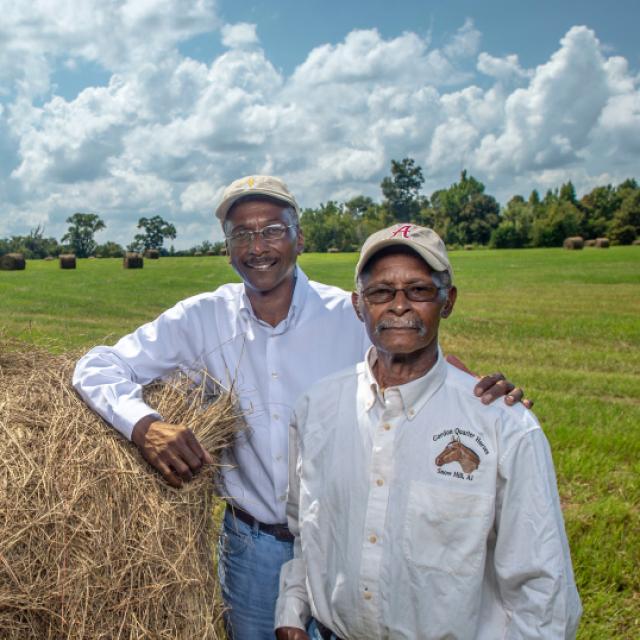
To get started with NRCS, we recommend you stop by your local NRCS field office. We’ll discuss your vision for your land.
NRCS provides landowners with free technical assistance, or advice, for their land. Common technical assistance includes: resource assessment, practice design and resource monitoring. Your conservation planner will help you determine if financial assistance is right for you.
We’ll walk you through the application process. To get started on applying for financial assistance, we’ll work with you:
Once complete, we’ll work with you on the application, or CPA 1200.
Applications for most programs are accepted on a continuous basis, but they’re considered for funding in different ranking periods. Be sure to ask your local NRCS district conservationist about the deadline for the ranking period to ensure you turn in your application in time.
As part of the application process, we’ll check to see if you are eligible. To do this, you’ll need to bring:
If you don’t have a farm number, you can get one from USDA’s Farm Service Agency. Typically, the local FSA office is located in the same building as the local NRCS office. You only need a farm number if you’re interested in financial assistance.
NRCS will take a look at the applications and rank them according to local resource concerns, the amount of conservation benefits the work will provide and the needs of applicants. View Application Ranking Dates by State.
If you’re selected, you can choose whether to sign the contract for the work to be done.
Once you sign the contract, you’ll be provided standards and specifications for completing the practice or practices, and then you will have a specified amount of time to implement. Once the work is implemented and inspected, you’ll be paid the rate of compensation for the work if it meets NRCS standards and specifications.