


Press Release

Official websites use .gov
A .gov website belongs to an official government organization in the United States.

Secure .gov websites use HTTPS
A lock (
) or https:// means you’ve safely connected to the .gov website. Share sensitive information only on official, secure websites.
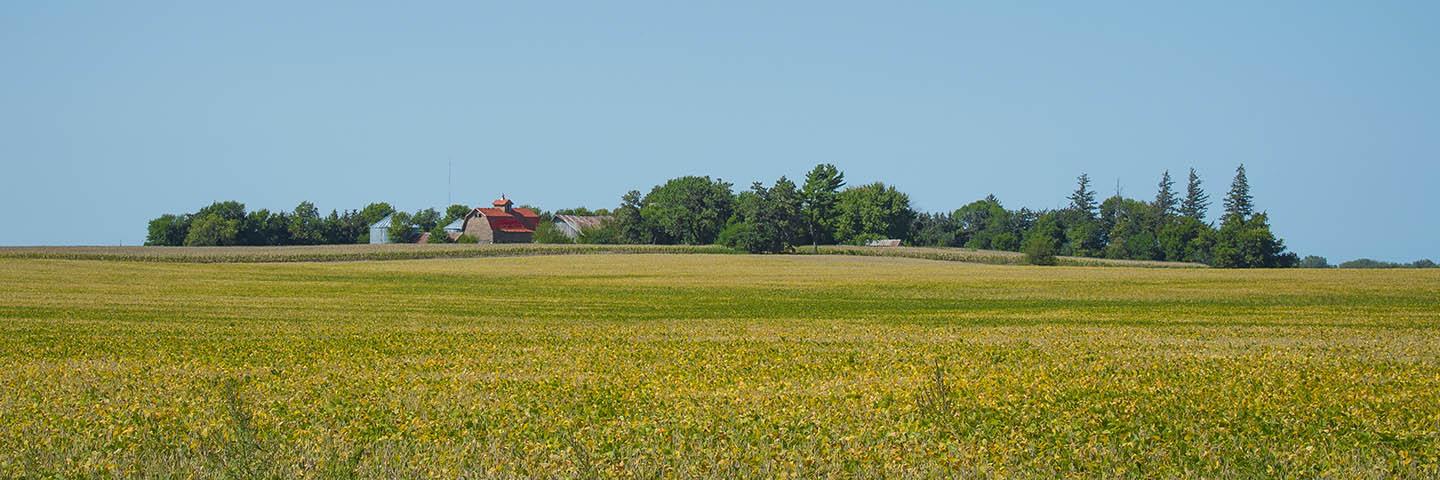
The Conservation Stewardship Program (CSP) helps you build on your existing conservation efforts while strengthening your operation.
Whether you are looking to improve grazing conditions, increase crop resiliency, or develop wildlife habitat, we can custom design a CSP plan to help you meet those goals. We can help you identify natural resource problems in your operation and provide technical and financial assistance to solve those problems or attain higher stewardship levels in an environmentally beneficial and cost-effective manner.
If you are already taking steps to improve the condition of the land, chances are, CSP can help you find new ways to meet your goals.
NRCS works one-on-one with producers to develop a conservation plan that outlines and enhances existing efforts, using new conservation practices or activities, based on management objectives for your operation. Producers implement practices and activities in their conservation plan that expands on the benefits of cleaner water and air, healthier soil and better wildlife habitat, all while improving their agricultural operations.
For example, if you have been planting a cover crop, you may decide to try an enhancement for a multi-species cover crop or implement a deep-rooted cover crop to break up soil compaction and further improve the health of your soil.
CSP offers annual payments for implementing these practices on your land and operating and maintaining existing conservation efforts. Want to take it a step further? CSP also offers bundles where you can select a suite of enhancements and receive a higher payment rate.
CSP is for working lands and is the largest conservation program in the United States. Thousands of people voluntarily enroll in the program because it helps them enhance natural resources and improve their business operation.
CSP participants are seeing real results. Some of these benefits include:
You can watch how farmers and ranchers across the country are implementing CSP activities and other conservation activities in our Conservation at Work video series. For example, see how producers are using the cover crop conservation practice to improve soil health, water efficiency, reduce use of fertilizer and improve pest control.
The program represents a genuine commitment to conservation – CSP contracts are for five years, with the opportunity to compete for a contract renewal if you successfully fulfill the initial contract and agree to achieve additional conservation objectives. An NRCS conservation planner will work closely with you, throughout the entire contract process.
Contract payments are based on two components:
Most participants will be eligible for a $4000 minimum payment during any year that their total annual contract payment falls below the minimum payment amount.
Existing CSP participants may be eligible to renew their contract for an additional 5-year term during the fifth year of their initial contract. Participants who have met the terms of their initial contract and who agree to implement more conservation activities can compete for a renewal contract. To meet the renewal stewardship threshold, the participant must agree to meet or exceed two additional priority resource concerns or agree to adopt or improve conservation activities to achieve higher levels of conservation for two existing priority resource concerns.
NRCS offers technical assistance at no cost. Producers can use our personalized advice and information, based on the latest science and research, to make informed decisions about their land.
Technical Service Providers (TSP) can help producers plan, design and implement conservation practices or develop conservation activity plans to improve their agricultural operations. For more information on the Technical Service Provider program, visit our TSP page.
Technical assistance is also offered through our Conservation Technical Assistance (CTA) program
Need a local Technical Service Provider? Visit the Locate a TSP page.
The first step in the process, is to notify NRCS of your interest in CSP. Then a conservation planner will schedule a visit to your property. During that visit, they will walk the land with you to discuss and review any resource concerns. Following the site visit, the conservation planner will develop a conservation plan that includes a variety of conservation practices, activities and enhancements to improve the level of conservation benefit and to address the resource concerns.
Applications for NRCS conservation programs are accepted on a continuous basis. However, application ranking dates are set at key times throughout the year.
For more information on CSP enhancements and bundles, please visit our Enhancements and Bundles page.
Results data for CSP and other NRCS programs are housed on the RCA Data Viewer.
To learn more about CSP, contact your local NRCS office.
We work with some of the most amazing people on earth – farmers, ranchers and foresters that value the health of our environment as much as they do their products and their bottom line.
Explore the links below to learn more about these conservationists at heart and how they are utilizing CSP to maintain viable business operations providing food, fiber, and energy that contribute to the economy, creating a more sustainable future for all of us.
Contact your local service center to start your application.
Do you farm or ranch and want to make improvements to the land that you own or lease?
Natural Resources Conservation Service offers technical and financial assistance to help farmers, ranchers and forest landowners.
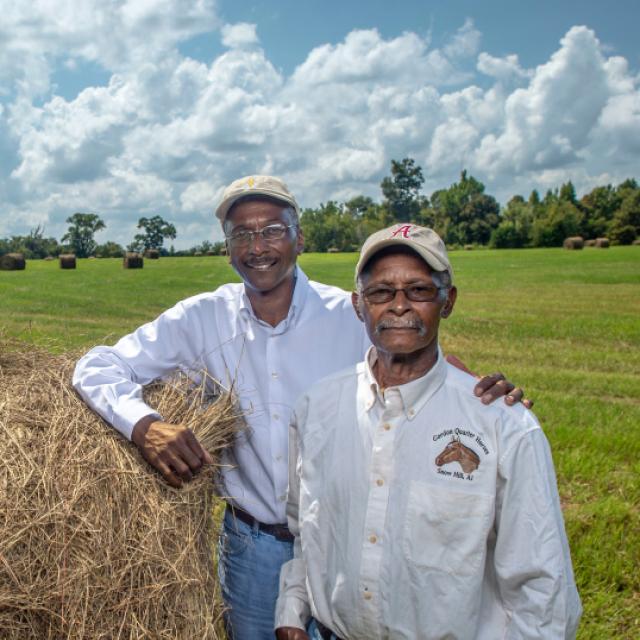
To get started with NRCS, we recommend you stop by your local NRCS field office. We’ll discuss your vision for your land.
NRCS provides landowners with free technical assistance, or advice, for their land. Common technical assistance includes: resource assessment, practice design and resource monitoring. Your conservation planner will help you determine if financial assistance is right for you.
We’ll walk you through the application process. To get started on applying for financial assistance, we’ll work with you:
Once complete, we’ll work with you on the application, or CPA 1200.
Applications for most programs are accepted on a continuous basis, but they’re considered for funding in different ranking periods. Be sure to ask your local NRCS district conservationist about the deadline for the ranking period to ensure you turn in your application in time.
As part of the application process, we’ll check to see if you are eligible. To do this, you’ll need to bring:
If you don’t have a farm number, you can get one from USDA’s Farm Service Agency. Typically, the local FSA office is located in the same building as the local NRCS office. You only need a farm number if you’re interested in financial assistance.
NRCS will take a look at the applications and rank them according to local resource concerns, the amount of conservation benefits the work will provide and the needs of applicants. View Application Ranking Dates by State.
If you’re selected, you can choose whether to sign the contract for the work to be done.
Once you sign the contract, you’ll be provided standards and specifications for completing the practice or practices, and then you will have a specified amount of time to implement. Once the work is implemented and inspected, you’ll be paid the rate of compensation for the work if it meets NRCS standards and specifications.


